
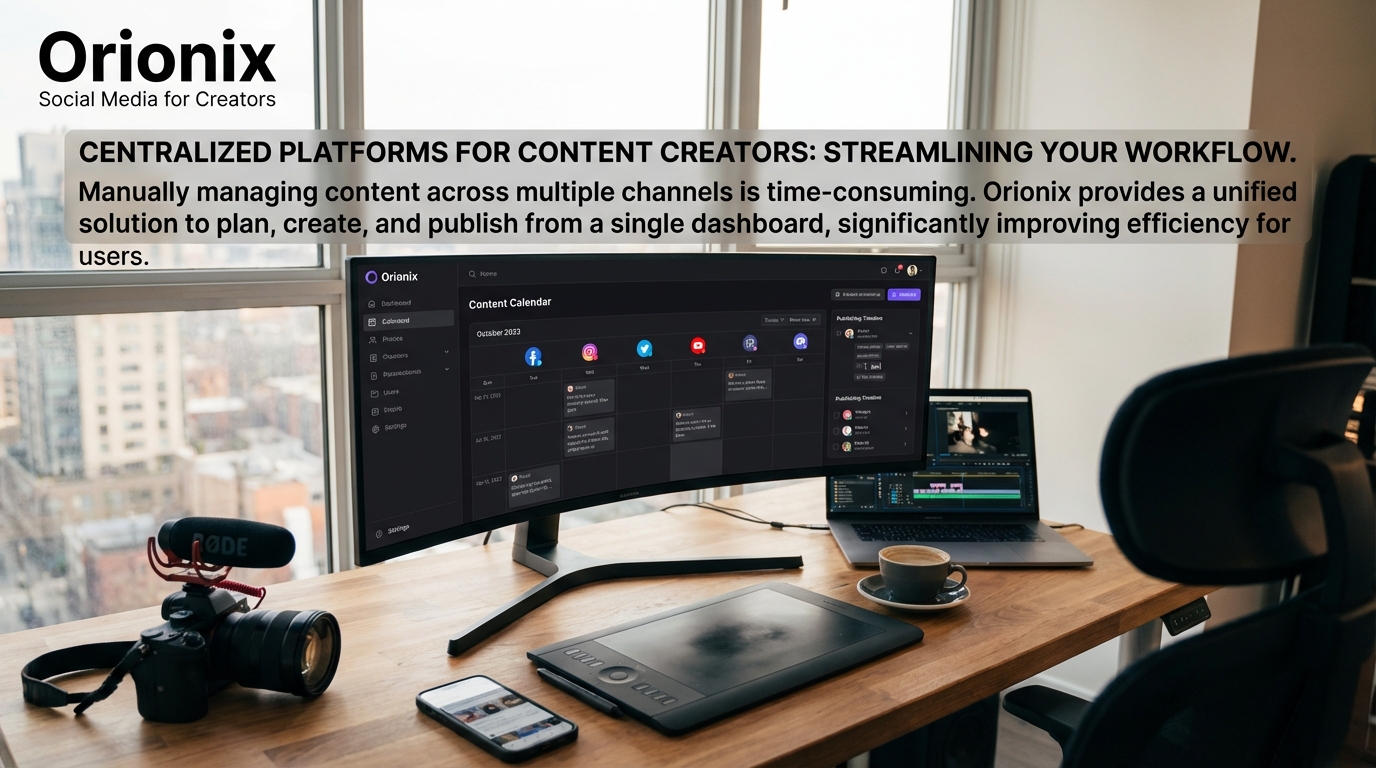
TL;DR: Top social media platforms for content creators include YouTube for video monetization, Instagram for visual content, TikTok for short-form videos, LinkedIn for professional networking, and Twitter for real-time engagement. Successful creators often manage multiple platforms simultaneously using centralized content management tools to streamline publishing, maintain consistency, and maximize their reach across channels.
Frequently Asked Questions

What are the best social media platforms for content creators in 2024?
The best social media platforms for content creators include Instagram, TikTok, YouTube, LinkedIn, and Twitter/X. Instagram excels for visual content and brand partnerships, TikTok offers viral potential for short videos, YouTube dominates long-form content monetization, LinkedIn serves B2B creators, and Twitter/X facilitates real-time engagement. Choosing platforms depends on your niche, content format, and target audience demographics.
How can content creators manage multiple social media platforms efficiently?
Content creators can manage multiple social media platforms efficiently by using centralized content management tools like Orionix that offer unified dashboards for planning, scheduling, and publishing. These platforms enable batch content creation, cross-platform scheduling, analytics tracking, and team collaboration from one location. This approach saves time, maintains consistency, and allows creators to focus on content quality rather than manual posting across different channels.
What is the best time to post on Instagram for maximum engagement?
The best time to post on Instagram varies by audience, but general optimal times are weekdays between 10 AM-3 PM, with peak engagement at 11 AM and 1-2 PM EST. Wednesday through Friday typically perform best. However, analyze your specific audience insights through Instagram Analytics to identify when your followers are most active, as engagement patterns differ by industry, location, and demographics.
How do social media marketing platforms help content creators grow their audience?
Social media marketing platforms help content creators grow by providing analytics to understand audience behavior, scheduling tools for consistent posting, content calendars for strategic planning, and cross-platform publishing capabilities. These platforms enable creators to optimize posting times, track performance metrics, identify trending content, and maintain a cohesive brand presence across multiple channels, ultimately increasing reach and engagement while reducing manual workload.
Should content creators use one or multiple social media platforms?
Content creators should typically use multiple social media platforms to maximize reach and diversify income sources. Different platforms attract distinct audiences and content formats—Instagram for visuals, YouTube for long-form videos, TikTok for short clips, LinkedIn for professional content. However, start with 2-3 platforms where your target audience is most active, then expand gradually. Using content management tools helps maintain consistency across platforms without overwhelming workload.
How can you delete an Instagram account if you want to switch platforms?
To delete an Instagram account permanently, log in through a web browser (not the app), go to the Delete Your Account page, select a reason for deletion, re-enter your password, and click ‘Permanently delete my account.’ Note that deletion is irreversible after 30 days. Alternatively, you can deactivate Instagram temporarily through Settings > Account > Deactivate account, which hides your profile without permanent deletion.
What features should content creators look for in social media platforms?
Content creators should look for monetization options (ad revenue, partnerships, subscriptions), robust analytics tools, audience engagement features (comments, DMs, live streaming), content discovery algorithms, creator support programs, and flexible content formats. Additionally, consider platforms offering scheduling capabilities, collaboration tools, content rights protection, and integration with third-party management tools like Orionix for streamlined multi-platform content distribution and performance tracking.
How does digital marketing differ across various social media platforms for creators?
Digital marketing differs significantly across social media platforms based on content format, audience demographics, and algorithms. Instagram emphasizes visual aesthetics and Stories, TikTok prioritizes short-form viral content, YouTube rewards watch time and SEO optimization, LinkedIn focuses on professional thought leadership, and Twitter/X favors real-time conversations. Successful creators adapt their marketing strategies, content formats, and posting schedules to each platform’s unique characteristics while maintaining consistent brand messaging.
Understanding Social Media Platforms for Content Creators in 2024 🚀

Navigating the landscape of social media platforms for content creators has become essential for anyone looking to build an audience, monetize their content, or establish a strong online presence. With billions of users across multiple platforms, content creators today have unprecedented opportunities to reach their target audiences and grow sustainable businesses through strategic social media marketing.
The right platform choice can make or break your content strategy. Each social media network offers unique features, audience demographics, and monetization opportunities that cater to different content types and creator goals. Understanding these differences is crucial for maximizing your reach and engagement.
This comprehensive guide explores the top social media platforms available to content creators, their distinctive features, and how to leverage them effectively for growth. Whether you’re just starting your journey in marketing digital marketing or looking to expand your existing presence, this article will help you make informed decisions about where to invest your time and creative energy.
Why Platform Selection Matters for Content Creators 📊

Choosing the right social media platforms isn’t just about being everywhere at once. It’s about strategic positioning that aligns with your content type, audience preferences, and business objectives. The wrong platform can drain your resources without delivering meaningful results.
Different platforms attract distinct user demographics and favor specific content formats. While Instagram thrives on visual storytelling and short-form video, LinkedIn caters to professional networking and thought leadership content. Understanding these nuances helps you allocate your creative efforts where they’ll generate the highest return.
Key Factors to Consider When Selecting Platforms
- Audience Demographics: Age, location, interests, and professional background of platform users
- Content Format: Whether the platform supports your primary content type (video, images, text, audio)
- Engagement Patterns: How users interact with content and creators on each platform
- Monetization Options: Available revenue streams and creator fund programs
- Algorithm Behavior: How content gets discovered and distributed to audiences
- Time Investment: Required posting frequency and community management demands
The most successful content creators don’t spread themselves thin across every platform. Instead, they master 2-3 platforms that align perfectly with their content style and audience, then expand strategically as their team and resources grow.
Top Social Media Platforms for Content Creators Compared
Let’s dive deep into the most popular social media platforms that content creators are leveraging to build audiences and generate income. Each platform offers unique advantages depending on your content niche and goals.
| Platform | Best For | Primary Content Type | Average Engagement Rate | Monetization Options |
|---|---|---|---|---|
| Visual storytellers, lifestyle creators | Photos, Reels, Stories | 1.5-3% | Brand partnerships, affiliate marketing, shopping | |
| YouTube | Long-form video creators, educators | Video content (all lengths) | 2-5% | Ad revenue, memberships, Super Chat |
| TikTok | Short-form video creators, entertainers | 15-60 second videos | 5-15% | Creator Fund, brand deals, live gifts |
| B2B creators, thought leaders | Professional content, articles | 2-4% | Consulting, speaking, partnerships | |
| Twitter/X | News, commentary, real-time engagement | Text, threads, short videos | 0.5-1% | Subscriptions, partnerships, tips |
| Community building, diverse content | Mixed media, groups | 0.5-1.5% | Ad breaks, fan subscriptions, stars |
Instagram: The Visual Powerhouse 📸
Instagram remains one of the most powerful platforms for content creators focused on visual storytelling. With over 2 billion monthly active users, it offers multiple content formats including feed posts, Stories, Reels, and IGTV for longer videos.
Understanding the best time to post on Instagram can significantly impact your content’s performance. Generally, the best times to post on Instagram fall between 9 AM-11 AM and 7 PM-9 PM on weekdays, though this varies by audience demographics and time zones. Testing different posting times helps you identify when your specific audience is most active and engaged.
Instagram’s algorithm favors consistent posting and high engagement rates. Creating how-to videos on Instagram can boost your educational content reach, while Reels continue to receive preferential distribution in the algorithm. For creators looking to grow their presence, understanding how to get free Instagram Reel views through organic strategies is essential.
Managing Your Instagram Presence Effectively
As your Instagram presence grows, you’ll need to manage various aspects of your account efficiently. Many creators wonder how to deactivate Instagram temporarily when taking breaks, or how can you delete an Instagram account permanently if needed. Understanding these account management features helps you maintain control over your digital presence.
Additionally, knowing how to know if someone blocked you on Instagram and how do you unfollow on Instagram efficiently helps maintain a healthy follower-following ratio and clean up your network. Tools like the Instagram follower export tool can help analyze your audience data for better targeting.
YouTube: Long-Form Content Dominance 🎥
YouTube remains the undisputed king of long-form video content, with over 2.5 billion monthly users consuming over 1 billion hours of video daily. The platform offers robust monetization through the YouTube Partner Program, which includes ad revenue sharing, channel memberships, and merchandise shelves.
YouTube’s algorithm rewards watch time and session duration, making it ideal for educational content, tutorials, entertainment series, and in-depth reviews. The platform also supports Shorts, competing directly with TikTok’s short-form format.
TikTok: The Short-Form Revolution ⚡
TikTok has revolutionized content creation with its addictive short-form video format. The platform’s algorithm is particularly friendly to new creators, often giving significant reach to first-time posters if content resonates with viewers.
With engagement rates significantly higher than other platforms, TikTok offers excellent opportunities for viral growth. The Creator Fund, brand partnerships, and live gifting provide multiple monetization avenues for successful creators.
LinkedIn: Professional Content Hub 💼
For B2B content creators and thought leaders, LinkedIn offers unmatched opportunities to establish authority and generate business leads. The platform’s professional audience actively seeks educational content, industry insights, and career development resources.
LinkedIn’s algorithm favors native content, especially video and document posts. Creators who consistently share valuable insights can build substantial influence and convert their audience into consulting clients, speaking opportunities, or business partnerships.
Cross-Platform Content Strategy for Maximum Impact 🎯
While mastering individual platforms is important, successful content creators develop cohesive cross-platform strategies that multiply their reach and reinforce their brand message. This approach involves adapting core content for different platform requirements while maintaining consistent messaging.
Repurposing Content Across Platforms
Smart content repurposing allows you to maximize the value of every piece of content you create. A single YouTube video can generate multiple pieces of content across other platforms:
- Extract short clips for Instagram Reels and TikTok
- Create quote graphics from key insights for Instagram feed posts
- Write article summaries for LinkedIn posts
- Pull audio for podcast episodes or Twitter Spaces
- Design infographics summarizing main points for Pinterest
- Develop carousel posts breaking down complex topics for Instagram and LinkedIn
This approach to social media and content distribution ensures you’re not constantly creating from scratch while maintaining an active presence across multiple platforms. The key is adapting content to each platform’s unique format and audience expectations rather than simply copying and pasting.
Maintaining Brand Consistency Across Platforms
While adapting content for different platforms, maintaining brand consistency remains crucial. Your visual identity, tone of voice, and core messaging should be recognizable whether someone encounters you on Instagram, LinkedIn, or YouTube.
- Visual Branding: Use consistent color schemes, fonts, and design elements
- Voice and Tone: Maintain your personality while adjusting formality to platform norms
- Content Themes: Stick to your core topics and expertise areas
- Posting Schedule: Establish reliable content rhythms on each platform
Essential Tools for Multi-Platform Content Management 🛠️
Managing content across multiple social media platforms can quickly become overwhelming without the right tools. Successful creators leverage technology to streamline their workflows, maintain consistency, and analyze performance across all channels.
Centralized Content Management Solutions
Using a centralized platform for planning, creating, and publishing content dramatically reduces the time and effort required to maintain an active presence across multiple networks. These solutions allow you to schedule posts in advance, collaborate with team members, and track performance metrics from a single dashboard.
Modern content management platforms integrate with all major social networks, enabling you to publish simultaneously or at optimized times for each platform. This approach to social media marketing ensures you never miss posting opportunities while maintaining strategic control over your content calendar.
Analytics and Performance Tracking
Understanding what content resonates with your audience requires robust analytics. Track these key metrics across all platforms:
| Metric Category | Key Indicators | Why It Matters |
|---|---|---|
| Reach | Impressions, unique viewers | Measures content distribution effectiveness |
| Engagement | Likes, comments, shares, saves | Indicates content resonance and quality |
| Growth | Follower increase, subscriber rate | Shows audience building momentum |
| Conversion | Click-through rate, link clicks | Measures business impact and ROI |
| Watch Time | Average view duration, completion rate | Reveals content quality and relevance |
For comprehensive insights into your marketing digital marketing efforts, consider tools that aggregate data across platforms. This holistic view helps you identify trends, allocate resources effectively, and make data-driven decisions about content strategy.
Monetization Strategies for Content Creators 💰
Building an audience is just the first step—successful content creators develop multiple revenue streams to create sustainable businesses. Different platforms offer various monetization options, and diversifying income sources protects against algorithm changes or platform policy updates.
Platform-Native Monetization
Most major platforms now offer built-in monetization features for eligible creators:
- YouTube Partner Program: Ad revenue sharing, channel memberships, Super Chat and Super Stickers
- Instagram: Branded content partnerships, Instagram Shopping, badges in Live
- TikTok Creator Fund: Payment based on video views and engagement
- Facebook: In-stream ads, fan subscriptions, Stars during Live videos
- Twitter/X: Super Follows, Subscriptions, Tips
External Monetization Methods
Beyond platform features, creators can generate income through various external channels that complement their social media presence:
- Sponsored Content: Brand partnerships and paid collaborations
- Affiliate Marketing: Commission-based product recommendations
- Digital Products: Courses, ebooks, templates, presets
- Services: Consulting, coaching, speaking engagements
- Merchandise: Branded physical products
- Memberships: Exclusive content communities (Patreon, Discord)
The most successful creators combine multiple income streams, ensuring stability even if one revenue source fluctuates. This diversified approach to monetization creates resilience and long-term sustainability in the content creation business.
Building an Engaged Community Across Platforms 👥
Beyond follower counts, building genuine community engagement separates successful content creators from those who struggle to maintain momentum. Engaged communities provide consistent feedback, share your content organically, and become loyal customers or clients.
Community Building Best Practices
Creating meaningful connections with your audience requires intentional effort and authentic interaction. Here are proven strategies for fostering engaged communities:
- Respond consistently: Reply to comments and messages promptly to show you value audience input
- Ask questions: Encourage participation by seeking opinions and feedback
- Share behind-the-scenes: Give followers insider access to your creative process
- Recognize contributors: Feature user-generated content and celebrate community members
- Create exclusive experiences: Offer special content or access for loyal followers
- Host live sessions: Real-time interaction builds stronger connections
Understanding platform-specific features helps optimize community interaction. For instance, knowing how to stop sharing Instagram Stories to Facebook allows you to create platform-specific content that feels native rather than cross-posted.
Managing Community Growth
As your community grows, managing interactions becomes more complex. Tools like social media influencer management platforms help streamline engagement across multiple channels. Additionally, understanding features like how to block someone on Instagram helps maintain a positive community environment by removing toxic interactions.
Emerging Platforms and Future Trends 🔮
The social media landscape continues evolving rapidly, with new platforms emerging and established ones adapting to changing user preferences. Staying ahead of trends helps content creators position themselves for future opportunities.
Platforms to Watch
Several emerging platforms are gaining traction among content creators and early adopters:
- BeReal: Authentic, unfiltered daily photo sharing
- Threads: Text-based conversations from Meta
- Lemon8: Lifestyle content platform combining Instagram and Pinterest elements
- Discord: Evolving beyond gaming into creator community hubs
- Substack Notes: Social layer for newsletter creators
While it’s tempting to jump on every new platform, focus on those that align with your content style and where your target audience is actively migrating. Early adoption can provide competitive advantages, but spreading too thin dilutes your impact.
Key Trends Shaping Content Creation
Several major trends are reshaping how creators approach social media platforms and content strategy:
- Short-form video dominance: Platforms continue prioritizing vertical, short-form content
- AI integration: Tools for content creation, editing, and personalization
- Authentic storytelling: Audiences favor genuine, unpolished content over highly produced material
- Niche communities: Micro-communities outperforming broad audience approaches
- Creator economy tools: Platforms building more robust monetization and analytics features
- Cross-platform integration: Seamless content sharing and audience connection across networks
Understanding these trends helps you adapt your strategy proactively rather than reactively. For insights into broader digital marketing trends, resources on marketing digital marketing strategies provide valuable context for platform-specific tactics.
Overcoming Common Content Creator Challenges 💪
Every content creator faces obstacles on their journey to building a successful presence across social media platforms. Understanding common challenges and their solutions helps you navigate difficulties more effectively.
Algorithm Changes and Reach Fluctuations
Platform algorithms constantly evolve, sometimes dramatically impacting content reach overnight. Protect yourself by diversifying across multiple platforms and building owned channels like email lists. When one platform’s algorithm changes negatively affect your reach, others can compensate while you adapt your strategy.
Burnout and Consistency Struggles
Maintaining consistent content production across multiple platforms can lead to creative burnout. Combat this by:
- Batching content creation sessions for efficiency
- Using scheduling tools to maintain presence during breaks
- Repurposing content strategically rather than creating everything from scratch
- Setting realistic posting frequencies based on available time and resources
- Taking planned breaks to recharge creativity
If you need a break, understanding how to deactivate Instagram temporarily or how do you delete an Instagram account if stepping away permanently gives you control over your digital presence. Resources like how to close your Instagram account provide step-by-step guidance for these decisions.
Technical and Platform-Specific Issues
Technical problems can disrupt your content distribution strategy. Common issues include connectivity problems like when Instagram not sharing to Facebook works as expected, or uncertainty about how to know if someone deactivated their Instagram versus blocking you.
Having troubleshooting resources and understanding platform mechanics helps you resolve issues quickly without losing momentum in your content schedule.
Creating a Sustainable Content Creation Business 📈
Transforming content creation from a hobby into a sustainable business requires strategic thinking beyond just posting content. Successful creators treat their social media presence as a business, implementing systems and processes that support long-term growth.
Building Your Content Creation Infrastructure
Professional content creators invest in infrastructure that supports scalable growth:
| Category | Essential Elements | Investment Priority |
|---|---|---|
| Equipment | Camera, microphone, lighting, editing software | High – Impacts content quality |
| Management Tools | Scheduling, analytics, collaboration platforms | High – Saves time and improves efficiency |
| Legal Protection | Business entity, contracts, insurance | Medium – Protects as income grows |
| Financial Systems | Accounting software, tax planning, invoicing | Medium – Essential for business management |
| Team Support | Editors, assistants, strategists | Medium – Enables scaling beyond solo work |
Developing Multiple Revenue Streams
Relying on a single income source creates vulnerability. Successful content creators typically develop 3-5 revenue streams that complement each other. This diversification provides stability and allows you to weather changes in any single platform or partnership.
For those starting their journey, resources on entry-level social media marketing provide foundational knowledge for building a career in this field. Understanding social media marketing principles helps you position your content strategically for business growth.
Scaling Your Content Operation
As your audience and income grow, scaling your operation becomes necessary. This might involve hiring team members, investing in better equipment, or using advanced tools to streamline workflows. The goal is to increase output and quality without proportionally increasing your time investment.
Consider platforms that help manage growth efficiently. Using a centralized solution for content planning and distribution across multiple channels reduces administrative overhead and allows you to focus on creative work rather than platform management.
Streamline Your Multi-Platform Content Strategy Today 🎬
Managing content across multiple social media platforms doesn’t have to be overwhelming. With the right strategy, tools, and approach, you can build a thriving presence that reaches your target audience wherever they spend time online.
The key to success lies in understanding each platform’s unique characteristics, creating platform-optimized content, and maintaining consistency across your entire digital presence. Whether you’re focusing on Instagram’s visual storytelling, YouTube’s long-form education, or TikTok’s viral short-form content, a cohesive strategy amplifies your impact.
Remember that sustainable growth comes from authentic engagement, consistent value delivery, and strategic monetization across multiple channels. The most successful content creators don’t try to be everywhere at once—they master the platforms that align with their content style and audience preferences, then expand thoughtfully as their resources grow.
Ready to take control of your multi-platform content strategy? Visit Orionix to discover how our centralized platform helps content creators plan, create, and publish across all major social channels from a single dashboard. Stop juggling multiple tools and start streamlining your content workflow today. Whether you’re managing Instagram posts, scheduling YouTube uploads, or coordinating cross-platform campaigns, Orionix gives you the control and efficiency you need to grow your content creation business. Get started with Orionix now and transform how you manage your social media presence! 🚀
Article created using IntentRank