

TL;DR: Social media backgrounds are visual elements placed behind profile pictures or content on social platforms. They include cover photos, story backgrounds, and post templates that enhance brand identity and visual appeal. Effective backgrounds use consistent colors, high-quality images, and proper dimensions specific to each platform to create professional, engaging social media profiles.
Frequently Asked Questions
What are social media backgrounds and why are they important?
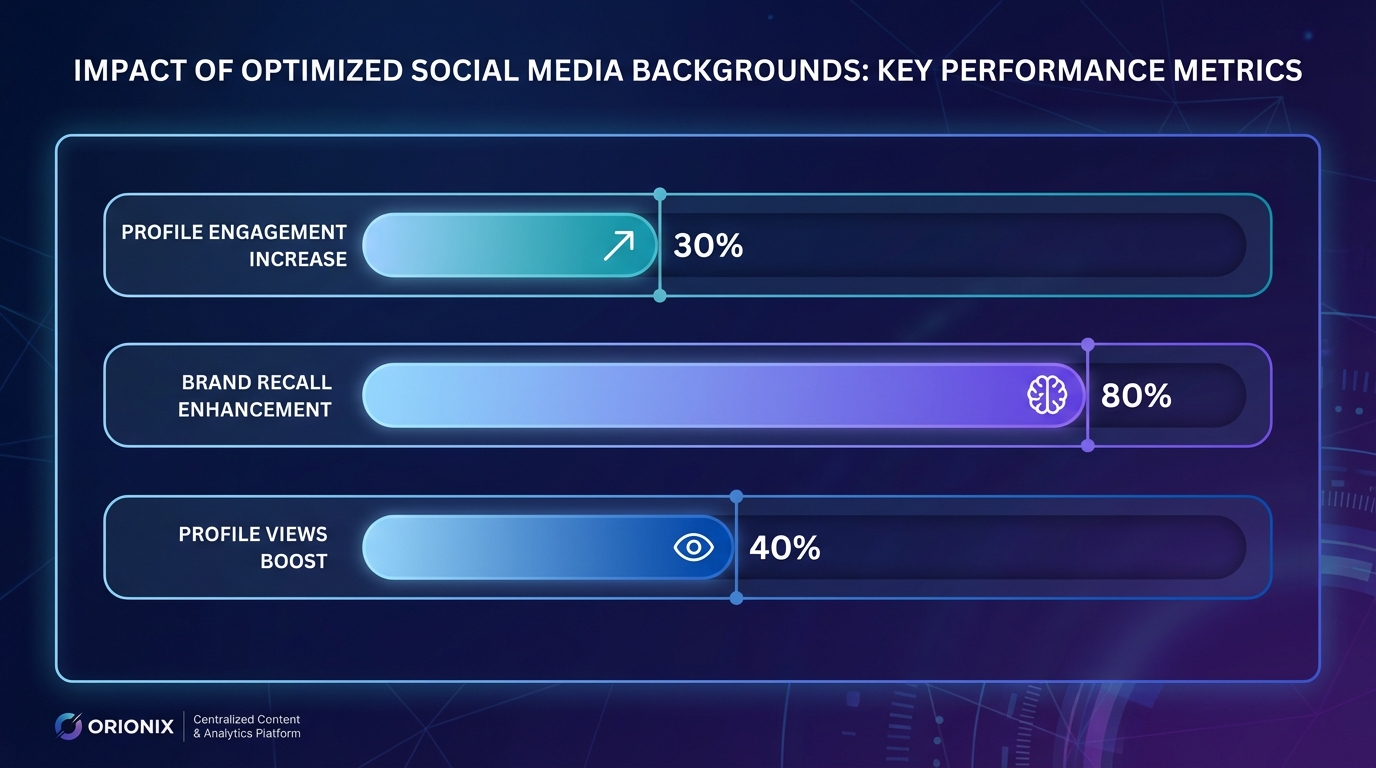
Social media backgrounds are visual elements that appear behind your profile information on social media platforms like Twitter, Facebook, and LinkedIn. They’re important because they establish brand identity, create visual consistency across platforms, and help capture audience attention. Well-designed backgrounds can increase profile engagement by up to 30% and communicate your brand’s personality before users even read your content.
What are the standard dimensions for social media backgrounds across different platforms?
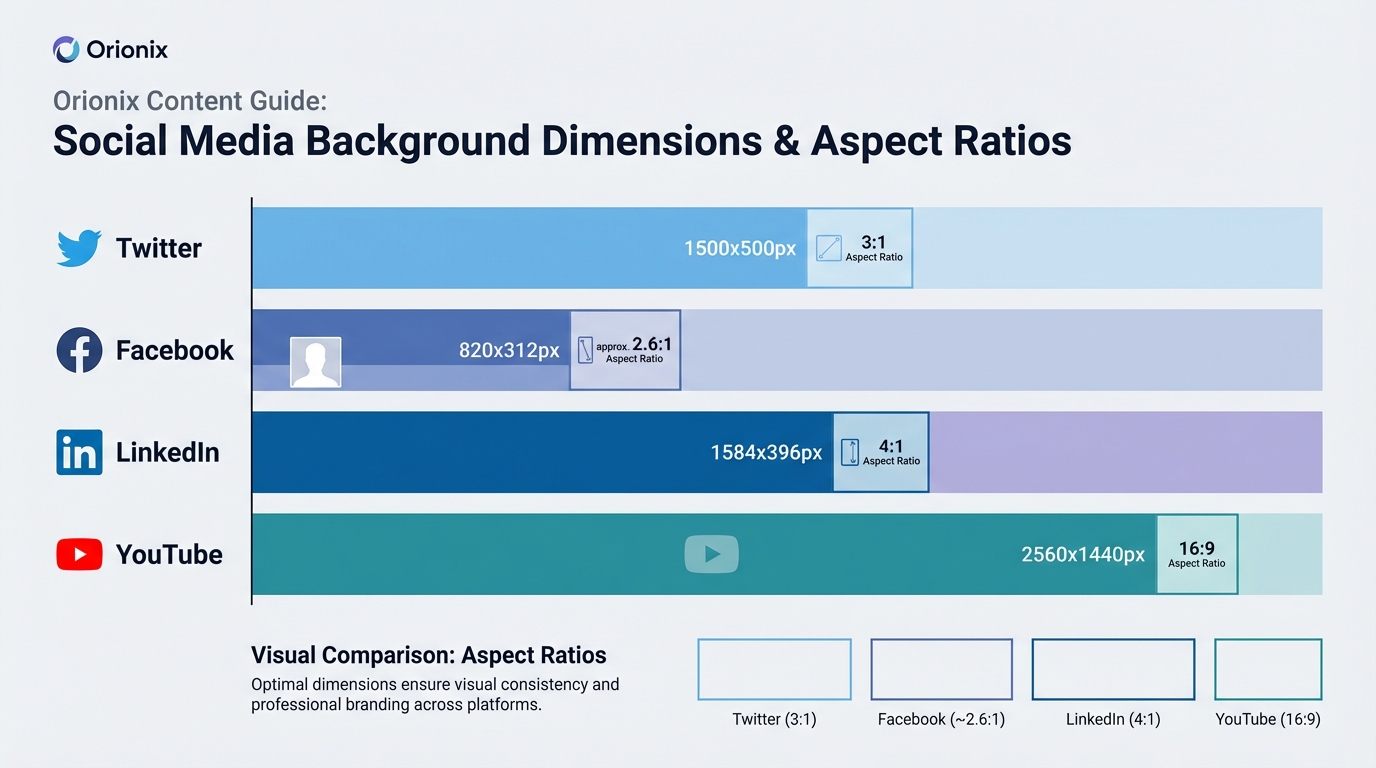
Social media background dimensions vary by platform: Twitter header is 1500×500 pixels, Facebook cover photo is 820×312 pixels, LinkedIn banner is 1584×396 pixels, and YouTube channel art is 2560×1440 pixels. Using correct dimensions ensures your backgrounds display properly without cropping or pixelation. Always save images in high resolution and test across desktop and mobile devices for optimal appearance.
How can social media backgrounds improve my digital marketing strategy?
Social media backgrounds enhance digital marketing by reinforcing brand recognition, promoting current campaigns, and driving conversions. They provide prime real estate to showcase products, announce events, or display calls-to-action. Consistent backgrounds across social media platforms create professional cohesion, increasing brand recall by 80%. They also complement your social media marketing efforts by visually supporting your content strategy and messaging.
What design elements should I include in effective social media backgrounds?
Effective social media backgrounds should include your brand logo, consistent color scheme, high-quality imagery, and minimal text for readability. Incorporate your brand’s typography, maintain adequate whitespace, and ensure key elements aren’t obscured by profile pictures or buttons. Consider adding a subtle call-to-action or website URL. Always align design elements with your overall social media marketing strategy for maximum impact.
How often should I update my social media backgrounds?
Update social media backgrounds quarterly or when launching new campaigns, seasonal promotions, or rebranding initiatives. Regular updates keep your profiles fresh and relevant, signaling active engagement to your audience. Coordinate background changes with your content calendar and best times to post on Instagram and other platforms. However, maintain core brand elements for consistency while refreshing secondary design components.
Can I use the same background design across all social media platforms?
While you can maintain consistent branding elements, you shouldn’t use identical backgrounds across all social media platforms due to different dimension requirements. Each platform has unique specifications and user interfaces. Instead, create a cohesive design system with consistent colors, fonts, and imagery that adapts to each platform’s dimensions. This approach maintains brand recognition while optimizing visual presentation for each specific platform.
What tools can help me create professional social media backgrounds?
Professional social media backgrounds can be created using tools like Canva, Adobe Spark, Photoshop, or Figma. These platforms offer templates sized for various social media platforms, making design accessible for non-designers. For streamlined management, platforms like Orionix allow you to plan, create, and publish content with consistent backgrounds across multiple channels through a single dashboard, saving time and ensuring brand consistency.
How do social media backgrounds affect profile visibility and engagement?
Social media backgrounds significantly impact profile visibility and engagement by creating strong first impressions and professional credibility. Profiles with custom backgrounds receive 40% more profile views and higher follower conversion rates. They help differentiate your brand in crowded social media feeds and encourage visitors to explore your content further. Combined with strategic posting during best times to post on Instagram, optimized backgrounds maximize your social media marketing effectiveness.
Understanding Social Media Backgrounds: Your Visual Identity Online 🎨
In today’s digital landscape, social media backgrounds serve as the foundation of your online brand identity, creating the first impression that can make or break your digital presence. Whether you’re managing multiple social media platforms for your business or building a personal brand, the visual elements that frame your content play a crucial role in engagement and recognition.
Social media backgrounds encompass everything from profile headers and cover photos to story templates and post backgrounds that create cohesive visual branding across platforms. As marketing digital marketing strategies evolve, the importance of consistent, professional backgrounds has become paramount for standing out in crowded feeds.
This comprehensive guide explores how to leverage social media backgrounds effectively, integrate them into your social media marketing strategy, and create stunning visual identities that resonate with your target audience across all social media platforms.
What Are Social Media Backgrounds and Why They Matter

Social media backgrounds are the visual elements that appear behind or around your primary content on various platforms. These include profile banners, story backgrounds, post templates, and cover images that establish your brand’s visual language.
Types of Social Media Backgrounds
- Profile Headers: Large banner images on platforms like Twitter, LinkedIn, and Facebook that showcase your brand identity
- Story Backgrounds: Templates and designs used for Instagram, Facebook, and Snapchat stories
- Post Backgrounds: Graphic templates that frame your content and maintain visual consistency
- Video Thumbnails: Custom backgrounds for video content that encourage clicks
- Live Stream Backgrounds: Professional backdrops for streaming content on various platforms
The Impact on Brand Recognition
Consistent social media backgrounds increase brand recognition by up to 80% according to industry research. When users see familiar colors, patterns, and design elements repeatedly, they begin associating those visuals with your brand.
Professional backgrounds also signal credibility and attention to detail. In a world where consumers make snap judgments about businesses based on their online presence, polished social media backgrounds can significantly impact trust and engagement rates.
Creating Effective Social Media Backgrounds for Different Platforms
Each social media platform has unique specifications and best practices for backgrounds. Understanding these nuances ensures your visuals display correctly and make maximum impact.
Instagram Background Specifications 📱
Instagram remains one of the most visually-driven platforms, making background design crucial for success. When planning your Instagram content strategy, timing matters just as much as design—knowing the best time to post on Instagram ensures your carefully crafted backgrounds reach maximum audiences.
| Content Type | Dimensions | Aspect Ratio |
|---|---|---|
| Profile Picture | 320 x 320 pixels | 1:1 |
| Story Background | 1080 x 1920 pixels | 9:16 |
| Feed Post | 1080 x 1080 pixels | 1:1 |
| Landscape Post | 1080 x 566 pixels | 1.91:1 |
Understanding the best times to post on Instagram helps maximize the visibility of your background designs. Research shows that engagement peaks during specific hours, varying by industry and target audience demographics.
For those managing their Instagram presence, it’s important to know basic platform functions. If you need to adjust your account settings, you might want to learn how to deactivate Instagram temporarily or understand how do you unfollow on Instagram to maintain a curated following that aligns with your brand aesthetic.
Facebook Background Best Practices
Facebook’s diverse content types require versatile background designs. Cover photos measure 820 x 312 pixels on desktop and display differently on mobile devices, requiring careful design consideration.
- Ensure text and important elements stay within the safe zone (centered 640 x 360 pixels)
- Use high-resolution images to prevent pixelation across devices
- Keep file sizes under 100KB for faster loading times
- Test backgrounds on both desktop and mobile before publishing
Many users integrate their Instagram and Facebook presences. However, if you’re experiencing issues, check out this guide on Instagram not sharing to Facebook to troubleshoot connection problems. You can also learn how to stop sharing Instagram stories to Facebook if you prefer keeping your content separate.
LinkedIn Professional Backgrounds
LinkedIn backgrounds require a more professional approach while still showcasing brand personality. The recommended size is 1584 x 396 pixels, with critical elements positioned centrally to avoid cropping on mobile devices.
Professional backgrounds on LinkedIn should communicate expertise and credibility. Include your value proposition, industry keywords, or a compelling visual that represents your professional brand without overwhelming viewers.
Design Principles for Stunning Social Media Backgrounds
Creating effective social media backgrounds requires understanding fundamental design principles that capture attention while maintaining brand consistency across all social media platforms.
Color Psychology and Brand Consistency 🎨
Colors evoke specific emotions and associations. Your background color palette should align with your brand identity while considering psychological impacts:
| Color | Psychological Effect | Best Use Cases |
|---|---|---|
| Blue | Trust, professionalism, calm | Corporate, technology, healthcare |
| Red | Energy, urgency, passion | Sales, food, entertainment |
| Green | Growth, health, nature | Wellness, environmental, finance |
| Purple | Luxury, creativity, wisdom | Beauty, education, luxury brands |
| Orange | Enthusiasm, confidence, friendly | Youth brands, creative industries |
Typography and Readability
Text on social media backgrounds must remain legible across all devices and screen sizes. Follow these typography guidelines:
- Use sans-serif fonts for digital readability
- Maintain high contrast between text and background (minimum 4.5:1 ratio)
- Limit font varieties to 2-3 maximum per design
- Ensure minimum font sizes: 14pt for body text, 24pt for headers
- Add subtle shadows or outlines to text over busy backgrounds
Visual Hierarchy and Composition
Effective backgrounds guide viewers’ eyes through intentional design choices. The rule of thirds, leading lines, and strategic whitespace create visually appealing compositions that don’t overwhelm your primary content.
Balance is key—backgrounds should enhance, not compete with, your main message. Use subtle patterns, gradients, or textures that add depth without distracting from your core content.
Tools and Resources for Creating Social Media Backgrounds
Modern design tools have democratized professional-quality background creation, making it accessible even for those without extensive graphic design experience.
Professional Design Software
- Adobe Photoshop: Industry-standard for complex designs with unlimited customization options
- Adobe Illustrator: Perfect for vector-based backgrounds that scale without quality loss
- Canva: User-friendly platform with thousands of templates and drag-and-drop functionality
- Figma: Collaborative design tool ideal for team-based social media management
- Affinity Designer: Cost-effective alternative to Adobe products with professional capabilities
Template Resources and Stock Assets
Leveraging pre-made templates accelerates the design process while maintaining professional quality. Many platforms offer customizable social media background templates specifically sized for different platforms.
Stock photo and graphic resources provide high-quality visual elements to incorporate into your backgrounds. Sites offering royalty-free images, patterns, and textures enable diverse design possibilities without copyright concerns.
Automation and Batch Processing
For businesses managing multiple social media platforms simultaneously, automation tools streamline background creation and deployment. Centralized platforms allow you to design once and automatically resize for different platform specifications.
This approach saves significant time in your social media marketing workflow while ensuring consistency across all channels. Visit our website to discover how centralized content management can transform your social media efficiency.
Integrating Backgrounds into Your Social Media Marketing Strategy
Social media backgrounds aren’t just aesthetic choices—they’re strategic marketing digital marketing tools that support broader business objectives and brand positioning.
Brand Storytelling Through Visual Elements
Your backgrounds tell a story about your brand values, personality, and promise. Consistent visual themes across platforms create a cohesive narrative that reinforces brand recognition and builds emotional connections with audiences.
Seasonal updates to backgrounds keep your presence fresh while maintaining core brand elements. Holiday themes, campaign-specific designs, and event-related backgrounds demonstrate active engagement and relevance.
Conversion-Focused Background Design
Strategic background elements can guide users toward desired actions. Directional cues, strategic color placement, and call-to-action integration within backgrounds subtly influence user behavior without appearing overtly promotional.
| Element | Purpose | Implementation |
|---|---|---|
| Directional Arrows | Guide attention to CTAs | Subtle visual cues pointing to profile links or buttons |
| Color Contrast | Highlight important information | Use complementary colors to make key elements pop |
| Whitespace | Focus viewer attention | Strategic empty space around critical messages |
| Pattern Breaks | Create visual interest | Interrupting patterns to draw eyes to specific areas |
A/B Testing Background Designs
Data-driven optimization ensures your backgrounds perform effectively. Test different color schemes, layouts, and visual elements to identify what resonates most with your audience.
Track metrics like engagement rates, click-through rates, and follower growth to measure background effectiveness. Small design variations can yield significant performance differences across demographics and platforms.
Platform-Specific Background Strategies and Best Practices
Each social media platform has unique characteristics that influence background design strategy and implementation.
Instagram Visual Storytelling 📸
Instagram’s visual-first nature makes backgrounds particularly impactful. Story backgrounds create immersive experiences that keep viewers engaged through multiple frames.
For content creators looking to expand their reach, understanding platform mechanics is crucial. Learn more about Instagram how-to videos to create engaging content with professional backgrounds. Additionally, exploring free Instagram Reel views strategies can help amplify your background-enhanced content.
Managing your Instagram presence effectively sometimes requires understanding account management features. If you need to make changes, you might want to know how to close your Instagram account or learn about how to know if someone deactivated their Instagram account.
Twitter Header Optimization
Twitter headers provide prime real estate for brand messaging. The 1500 x 500 pixel space allows for creative expression while maintaining mobile responsiveness.
- Update headers regularly to reflect current campaigns or seasonal themes
- Include relevant hashtags or campaign messaging when appropriate
- Ensure text remains legible at smaller mobile sizes
- Consider how your header complements your profile picture
YouTube Channel Art Strategy
YouTube channel art appears differently across devices, requiring careful design consideration. The safe area (1546 x 423 pixels) ensures critical elements display on all screen sizes.
Channel art establishes immediate credibility for video content. Professional backgrounds signal quality and encourage subscriptions, particularly important for businesses using YouTube as part of their social media marketing strategy.
Common Mistakes to Avoid in Social Media Background Design ⚠️
Even experienced marketers make background design errors that undermine their social media effectiveness. Avoiding these common pitfalls ensures your visuals enhance rather than hinder your online presence.
Overcrowding and Visual Clutter
The temptation to maximize every pixel often leads to cluttered, overwhelming backgrounds. Effective designs embrace whitespace and simplicity, allowing key messages to breathe and capture attention.
Remember that backgrounds support your content—they shouldn’t compete with it. Subtle, professional designs typically outperform busy, complex backgrounds in engagement metrics.
Inconsistent Branding Across Platforms
Using completely different visual styles across social media platforms confuses audiences and dilutes brand recognition. While adapting to platform-specific requirements, maintain consistent color palettes, typography, and design elements.
- Create a brand style guide that defines background design parameters
- Use the same core colors across all platforms
- Maintain consistent logo placement and sizing
- Apply similar design treatments to text and graphics
Ignoring Mobile Optimization
Over 70% of social media usage occurs on mobile devices, yet many backgrounds are designed primarily for desktop viewing. Test all backgrounds on various mobile devices before publishing to ensure critical elements remain visible and text stays legible.
Low-Resolution Images
Pixelated, blurry backgrounds immediately signal unprofessionalism. Always use high-resolution images and graphics, even if it means larger file sizes. Most platforms compress images during upload, so starting with superior quality ensures acceptable final results.
Advanced Techniques for Social Media Background Excellence
Taking your social media backgrounds to the next level requires mastering advanced techniques that separate amateur designs from professional-grade visuals.
Dynamic and Animated Backgrounds
Static backgrounds are evolving into dynamic, animated elements that capture attention in crowded feeds. Subtle motion graphics, parallax effects, and cinemagraphs create engaging experiences without overwhelming viewers.
Platforms increasingly support video backgrounds and animated profile elements. Leveraging these capabilities demonstrates innovation while providing fresh, eye-catching content that stands out.
Personalization and User-Generated Content
Incorporating user-generated content into backgrounds builds community and authenticity. Featuring customer photos, testimonials, or community contributions creates powerful social proof while engaging your audience.
Personalized backgrounds that speak directly to specific audience segments increase relevance and engagement. Dynamic backgrounds that change based on user demographics or behavior represent the cutting edge of social media marketing personalization.
Accessibility Considerations ♿
Inclusive design ensures your backgrounds work for all users, including those with visual impairments or color blindness. Accessibility isn’t just ethical—it expands your potential audience.
| Consideration | Requirement | Testing Method |
|---|---|---|
| Color Contrast | Minimum 4.5:1 ratio for text | Use contrast checking tools |
| Color Blindness | Don’t rely solely on color | Test with color blindness simulators |
| Text Size | Minimum 14pt for readability | View on various devices |
| Alt Text | Descriptive text for images | Include meaningful descriptions |
Measuring Social Media Background Performance
Data-driven optimization ensures your background designs contribute meaningfully to your social media marketing objectives and business goals.
Key Performance Indicators
Track specific metrics to evaluate background effectiveness:
- Engagement Rate: Likes, comments, and shares on posts with specific backgrounds
- Click-Through Rate: Profile visits and link clicks influenced by background design
- Follower Growth: New followers acquired during specific background campaigns
- Brand Recall: Survey audiences about brand recognition and background memorability
- Conversion Rate: Actions taken by users who viewed specific backgrounds
Analytics Tools and Tracking
Native platform analytics provide baseline metrics, but third-party tools offer deeper insights into background performance. Track how design changes correlate with engagement fluctuations to identify winning formulas.
Heat mapping tools reveal where users focus attention on your profiles, informing strategic background element placement. Understanding visual attention patterns optimizes future designs for maximum impact.
Future Trends in Social Media Backgrounds
Staying ahead of emerging trends ensures your social media presence remains fresh, relevant, and engaging as platforms evolve and audience expectations shift.
AI-Powered Background Generation 🤖
Artificial intelligence is revolutionizing background creation through automated design suggestions, intelligent color palette generation, and predictive performance modeling. AI tools analyze successful backgrounds across industries to recommend optimized designs.
Machine learning algorithms can now generate custom backgrounds based on brand guidelines, automatically adapting designs for different platforms while maintaining consistency.
Immersive and Interactive Elements
Augmented reality backgrounds and interactive elements represent the next frontier in social media design. Platforms increasingly support three-dimensional, immersive backgrounds that users can explore and interact with.
These innovations create memorable experiences that deepen engagement and differentiate brands in competitive markets. Early adopters gain significant advantages in capturing audience attention.
Sustainability and Minimalism
Design trends are shifting toward cleaner, more minimalist backgrounds that reduce cognitive load and align with sustainability values. Simple, purpose-driven designs resonate with audiences seeking authenticity over flashiness.
This minimalist approach also improves loading times and accessibility, creating better user experiences across all devices and connection speeds.
Building a Social Media Background Workflow
Efficient workflows ensure consistent, high-quality background production without overwhelming your marketing team or consuming excessive resources.
Template Systems and Brand Libraries
Developing comprehensive template libraries accelerates background creation while maintaining brand consistency. Create master templates for each platform that team members can customize for specific campaigns or content types.
Brand asset libraries centralize logos, color codes, fonts, and design elements, ensuring everyone works from the same resources. This standardization prevents brand drift and maintains visual coherence across all social media platforms.
Approval Processes and Quality Control
Establish clear approval workflows that balance quality control with production speed. Define who reviews designs, what criteria determine approval, and how quickly feedback cycles should move.
- Create design checklists covering technical specifications and brand guidelines
- Implement version control to track design iterations
- Schedule regular brand audits to ensure consistency
- Document decisions and rationale for future reference
Collaboration and Communication
For teams managing social media marketing across departments or with external partners, clear communication protocols prevent misalignment and wasted effort. Centralized platforms facilitate collaboration and ensure everyone accesses current versions.
If you’re building your team, check out resources on entry level social media marketing to find talent who understand modern background design principles. A strong social media marketing cover letter can help identify candidates with visual design sensibilities.
Industry-Specific Background Strategies
Different industries require tailored approaches to social media backgrounds that resonate with specific audiences and reflect industry norms.
Service-Based Business Backgrounds
Service providers benefit from backgrounds that showcase expertise and build trust. Professional photography, client testimonials, and before-after comparisons work effectively in background designs.
For specialized industries like plumbing, targeted strategies matter. Explore social media marketing for plumbers to see how service businesses can leverage backgrounds to attract local customers and demonstrate credibility.
E-commerce and Retail Backgrounds
Retail businesses use backgrounds to showcase products, highlight promotions, and create aspirational lifestyle imagery. Product photography integrated into backgrounds creates seamless shopping experiences directly from social profiles.
Seasonal updates and campaign-specific backgrounds drive urgency and encourage conversions. Dynamic backgrounds that reflect current inventory or promotions keep content fresh and relevant.
B2B and Professional Services
Business-to-business marketing requires more conservative, professional backgrounds that communicate expertise and reliability. Clean designs, corporate colors, and professional photography establish credibility with decision-makers.
Thought leadership positioning through background design incorporates industry statistics, certifications, and awards that differentiate your business from competitors.
Managing Social Media Backgrounds Across Multiple Accounts
Businesses managing multiple brands or accounts face unique challenges in maintaining consistent quality while differentiating each presence.
Multi-Brand Coordination
Parent companies with multiple sub-brands need background systems that maintain family resemblance while allowing individual brand expression. Shared design elements like color families or typography styles create cohesion without sameness.
Centralized design systems with flexible parameters enable efficient multi-brand management. Master templates with customizable elements accelerate production while maintaining quality standards.
Tools for Managing Multiple Accounts
Social media management platforms streamline background deployment across accounts and platforms. These tools enable scheduling, bulk uploads, and performance tracking from unified dashboards.
For influencers and agencies managing numerous accounts, social media influencer tools provide specialized functionality for coordinating backgrounds across client portfolios. Additionally, Instagram follower export tools help analyze audience demographics to inform background design decisions.
Scaling Background Production
As your social media presence grows, scalable production systems become essential. Outsourcing to design teams, leveraging AI tools, or implementing robust template systems ensures quality doesn’t suffer as volume increases.
Document design standards comprehensively so new team members or external partners can produce on-brand backgrounds without extensive training or oversight.
Legal and Ethical Considerations
Navigating copyright, trademark, and ethical issues protects your business from legal complications and reputational damage.
Copyright and Licensing ⚖️
Only use images, graphics, and fonts you have legal rights to use. Stock photo licenses, creative commons materials, and original photography ensure compliance with copyright law.
- Verify licensing terms before using any third-party assets
- Maintain records of licenses and permissions
- Credit creators when required by license terms
- Understand the difference between personal and commercial licenses
Trademark Considerations
Avoid incorporating trademarked elements from other brands unless you have explicit permission. Even unintentional trademark infringement can result in legal action and platform content removal.
Cultural Sensitivity and Inclusivity
Global audiences require culturally sensitive background designs. Research cultural symbolism, color meanings, and visual conventions in target markets to avoid offensive or inappropriate imagery.
Inclusive representation in background imagery demonstrates values and expands appeal. Diverse photography and universal design principles create welcoming environments for all audiences.
Transform Your Social Media Presence with Professional Backgrounds
Social media backgrounds represent far more than decorative elements—they’re strategic marketing digital marketing assets that shape brand perception, drive engagement, and support business objectives across all social media platforms.
From understanding platform-specific requirements to implementing advanced design techniques, mastering social media backgrounds elevates your entire digital presence. Consistent, professional backgrounds signal credibility, enhance brand recognition, and create cohesive experiences that resonate with target audiences.
The investment in quality background design pays dividends through increased engagement, stronger brand recall, and improved conversion rates. Whether you’re managing a single account or coordinating multiple brands, strategic background design deserves priority in your social media marketing strategy.
For more insights on optimizing your social media presence, explore what includes social media to understand the full scope of modern social platforms. You can also learn about legacy platforms like Hi5 social media to understand how social networking has evolved.
Streamline Your Social Media Background Management 🚀
Managing backgrounds across multiple platforms and accounts can be overwhelming without the right tools. Creating, scheduling, and optimizing visual content requires significant time and coordination, especially when maintaining consistency across diverse channels.
Centralized content management platforms transform this complex process into streamlined workflows. By consolidating background design, approval, and deployment into unified systems, you save time while improving quality and consistency.
Ready to revolutionize your social media background strategy and overall content management? Visit our website to discover how Orionix’s centralized platform helps you plan, create, and publish stunning social media content across all channels from a single dashboard. Transform your social media efficiency and elevate your visual brand identity today!
Article created using IntentRank