
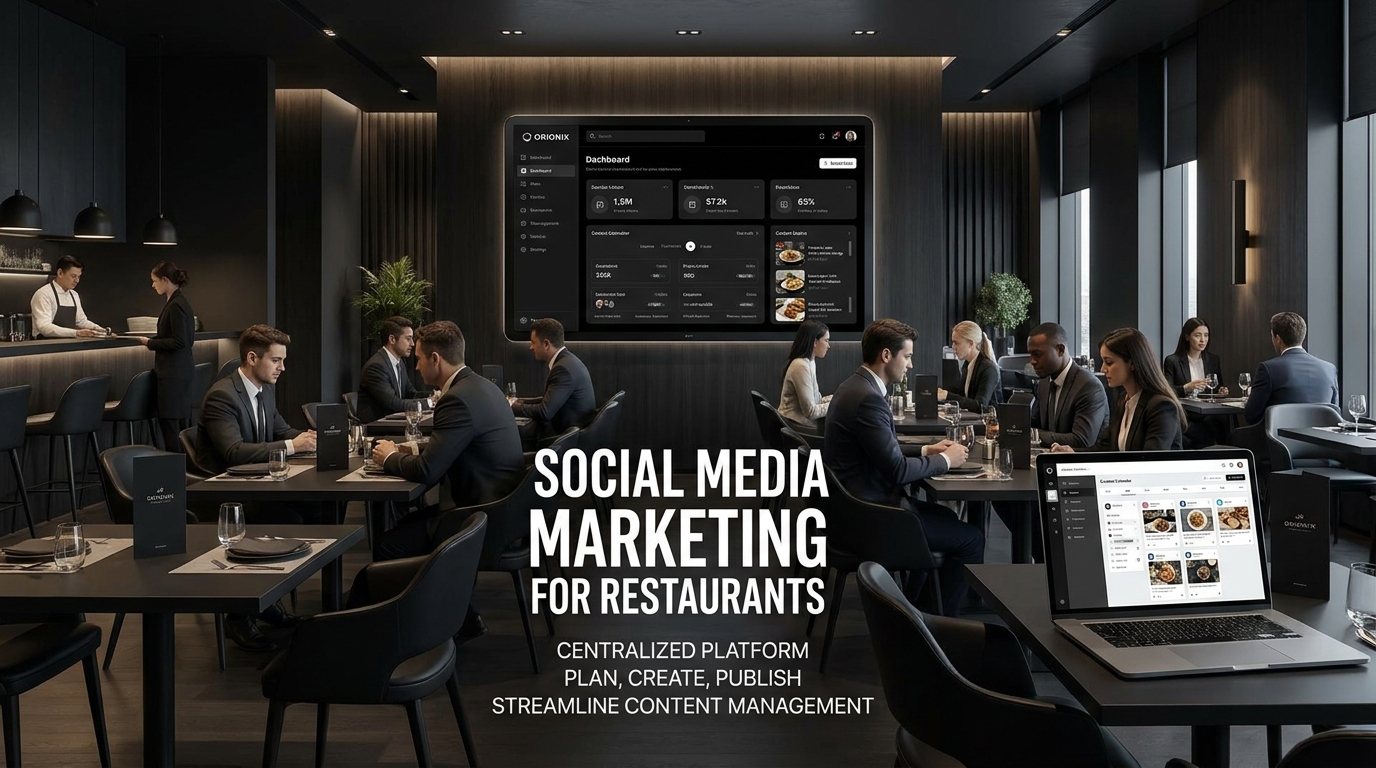
TL;DR: Social media marketing for restaurants involves creating engaging content showcasing menu items, behind-the-scenes moments, and customer experiences across platforms like Instagram, Facebook, and TikTok. Successful strategies include posting high-quality food photos, running promotions, encouraging user-generated content, responding to reviews, and using local hashtags to attract nearby diners and build community engagement.
Frequently Asked Questions

What is social media marketing for restaurants?
Social media marketing for restaurants is the strategic use of social media platforms like Instagram, Facebook, and TikTok to promote dining establishments, engage with customers, and drive foot traffic. It involves creating compelling food photography, sharing menu updates, posting customer reviews, running targeted ads, and building an online community. Effective restaurant social media marketing increases brand awareness, attracts new diners, and encourages repeat visits through consistent, engaging content.
Which social media platforms are best for restaurant marketing?
Instagram and Facebook are the top social media platforms for restaurant marketing, with Instagram excelling for visual content like food photography and stories. TikTok is increasingly valuable for reaching younger audiences through short-form video content. Facebook remains essential for local business discovery, reviews, and event promotion. Google Business Profile, while not traditional social media, is crucial for local search visibility. Many restaurants succeed by focusing on 2-3 platforms rather than spreading resources too thin.
What are the best times to post on Instagram for restaurants?
The best times to post on Instagram for restaurants are typically 11 AM-1 PM during lunch hours and 6 PM-8 PM during dinner time when people are deciding where to eat. Weekdays, especially Tuesday through Friday, generally see higher engagement. However, optimal posting times vary by location and target audience. Restaurants should analyze their Instagram Insights to identify when their specific followers are most active and adjust their posting schedule accordingly for maximum reach and engagement.
How can restaurants use digital marketing to increase customers?
Restaurants can use digital marketing by combining social media marketing, email campaigns, local SEO, and online advertising to attract customers. Key strategies include posting appetizing food photos on Instagram, running Facebook ads targeting local audiences, collecting customer emails for promotions, optimizing Google Business Profile for local searches, and encouraging online reviews. A centralized content management platform helps restaurants efficiently plan and publish content across multiple channels, ensuring consistent brand messaging while saving time.
How often should restaurants post on social media?
Restaurants should post on social media 4-7 times per week on Instagram and Facebook for optimal engagement without overwhelming followers. Instagram Stories can be posted daily to maintain visibility. Consistency matters more than frequency—regular posting schedules help build audience expectations and algorithm favor. Quality content showcasing menu items, behind-the-scenes moments, and customer experiences outperforms frequent low-quality posts. Using a content planning platform helps restaurants maintain consistent posting schedules across multiple social media platforms efficiently.
What type of content works best for restaurant social media marketing?
High-quality food photography and videos perform best for restaurant social media marketing, especially close-up shots of signature dishes and behind-the-scenes kitchen content. User-generated content from customers, staff spotlights, daily specials, seasonal menu announcements, and interactive content like polls or contests drive strong engagement. Video content, including recipe tutorials, chef interviews, and restaurant ambiance clips, receives higher reach on most platforms. Authentic, visually appealing content that tells your restaurant’s unique story resonates most with audiences.
How do restaurants measure social media marketing success?
Restaurants measure social media marketing success through key metrics including engagement rate (likes, comments, shares), follower growth, reach and impressions, website clicks, and reservation inquiries. Track conversion metrics like promo code usage from social campaigns and foot traffic increases correlated with posting activity. Monitor customer sentiment through comments and direct messages. Most social media platforms provide built-in analytics tools. The ultimate measure is whether social efforts translate into increased reservations, orders, and revenue for your restaurant.
Can restaurants manage multiple social media accounts from one platform?
Yes, restaurants can manage multiple social media accounts from centralized platforms like Orionix that offer unified dashboards for planning, creating, and publishing content across various channels. These tools allow restaurants to schedule posts simultaneously to Instagram, Facebook, TikTok, and other platforms, saving significant time. Features typically include content calendars, bulk scheduling, performance analytics, and team collaboration tools. Using a centralized platform ensures consistent branding, reduces manual work, and helps restaurants maintain an active presence across all important social media channels efficiently.
Introduction: Why Social Media Marketing for Restaurants Is Essential in 2026

In today’s digital landscape, social media marketing for restaurants has become the cornerstone of success for dining establishments of all sizes. Whether you’re running a cozy neighborhood café or a multi-location restaurant chain, your presence on social media platforms directly impacts your bottom line. 🍽️
The restaurant industry has undergone a dramatic transformation in how businesses connect with customers. Gone are the days when word-of-mouth and print advertising were sufficient. Today’s diners discover, research, and share their dining experiences through Instagram, Facebook, TikTok, and other digital channels before they ever step through your doors.
This comprehensive guide explores proven strategies, platform-specific tactics, and actionable insights to help you build a thriving social media presence that fills tables and creates loyal customers. From understanding the best social media platforms for content creators to mastering content creation, we’ll cover everything you need to succeed.
Understanding the Restaurant Social Media Landscape

The Power of Visual Storytelling 📸
Restaurants possess a unique advantage in social media marketing: inherently photogenic content. Every dish you serve, every dining experience you create, and every moment in your establishment offers visual storytelling opportunities that resonate with audiences.
The key social media platforms for restaurants include Instagram, Facebook, TikTok, and Pinterest—each serving distinct purposes in your marketing digital marketing strategy. Instagram dominates with its visual-first approach, while Facebook excels at community building and event promotion.
Why Traditional Marketing Isn’t Enough
Traditional advertising methods no longer deliver the return on investment they once did. Modern consumers, particularly millennials and Gen Z diners, spend significant time on social media and actively seek dining recommendations through these channels.
- Over 60% of diners discover new restaurants through social media platforms
- User-generated content influences 79% of dining decisions
- Restaurants with active social media presence see 33% higher customer retention
- Visual content generates 94% more views than text-only posts
Choosing the Right Social Media Platforms for Your Restaurant

Instagram: The Visual Powerhouse
Instagram remains the dominant platform for restaurant marketing, offering unparalleled opportunities for showcasing your culinary creations. Understanding the best times to post on Instagram can dramatically increase your content’s reach and engagement.
The platform’s features—Stories, Reels, IGTV, and standard posts—provide diverse content formats. Instagram’s algorithm favors consistent posting and authentic engagement, making it essential for restaurants to maintain an active presence.
| Content Type | Best Use Case | Engagement Level |
|---|---|---|
| Stories | Daily specials, behind-the-scenes | High |
| Reels | Recipe demos, chef spotlights | Very High |
| Feed Posts | Menu highlights, ambiance shots | Medium-High |
| IGTV | Cooking tutorials, interviews | Medium |
Facebook: Community Building and Local Reach
Facebook excels at local marketing and community engagement. The platform’s business tools allow restaurants to manage reservations, respond to reviews, and create events—all crucial for driving foot traffic.
Facebook’s demographic skews slightly older than Instagram, making it ideal for reaching established professionals and families. The platform’s advertising capabilities offer precise targeting based on location, interests, and behaviors.
TikTok: Viral Potential and Young Demographics
TikTok has emerged as a game-changer for restaurants willing to embrace authentic, entertaining content. The platform’s algorithm can propel small restaurants to viral fame overnight, generating massive awareness and foot traffic. 🚀
Short-form video content showcasing food preparation, staff personalities, and unique dining experiences performs exceptionally well. The key is authenticity—polished, overly-produced content often underperforms compared to genuine, relatable videos.
Content Strategy: What to Post and When
Developing Your Content Pillars
Successful restaurant social media marketing requires a strategic approach to social media what to post. Your content should balance promotional posts with value-driven, entertaining, and community-focused material.
The 80/20 rule applies: 80% of content should educate, entertain, or inspire, while only 20% should directly promote your restaurant. This balance maintains audience interest and prevents follower fatigue.
Essential Content Categories
- Menu Highlights: Showcase signature dishes with professional photography and appetizing descriptions
- Behind-the-Scenes: Give followers a glimpse into your kitchen, introducing chefs and staff members
- Customer Experiences: Share user-generated content and testimonials from satisfied diners
- Special Events: Promote wine dinners, live music, holiday menus, and seasonal offerings
- Educational Content: Share cooking tips, ingredient sourcing stories, and culinary techniques
- Community Involvement: Highlight local partnerships, charity events, and sustainability initiatives
Timing Your Posts for Maximum Impact ⏰
Understanding the best time to post on Instagram and other platforms significantly impacts your content’s performance. Restaurant-specific optimal posting times typically align with when people are planning meals or feeling hungry.
| Platform | Best Days | Optimal Times |
|---|---|---|
| Tuesday-Friday | 11 AM – 1 PM, 7 PM – 9 PM | |
| Wednesday-Sunday | 12 PM – 1 PM, 5 PM – 7 PM | |
| TikTok | Tuesday-Thursday | 6 PM – 10 PM |
| Monday-Friday | 12 PM – 3 PM |
These times represent when users are most active and engaged, but testing and analyzing your specific audience behavior remains crucial for optimization.
Creating Compelling Visual Content
Food Photography Best Practices
Quality visual content separates successful restaurant social media accounts from mediocre ones. You don’t need professional equipment to create stunning food photography—smartphones with good cameras and natural lighting often suffice.
Focus on composition, lighting, and styling. Natural light produces the most appetizing food photos, while overhead shots and 45-degree angles typically work best for plating presentations. Consistency in your visual style helps build brand recognition.
Video Content That Converts 🎥
Video content generates significantly higher engagement than static images. Short-form videos showing food preparation, plating techniques, or the sizzle of a dish being served create immediate appetite appeal and shareability.
Consider these video content ideas:
- Time-lapse cooking demonstrations
- Chef interviews and culinary philosophy discussions
- Customer reaction videos to signature dishes
- Virtual tours of your restaurant space
- Staff spotlights and team culture content
User-Generated Content: Your Secret Weapon
Encouraging customers to share their dining experiences provides authentic content that resonates with potential diners. Create a branded hashtag and incentivize sharing through contests, features, or special offers.
User-generated content builds trust more effectively than branded content because it represents genuine customer experiences. Always request permission before reposting customer content and provide proper credit.
Engagement Strategies That Build Community
Responding to Comments and Messages
Social media marketing isn’t a broadcast channel—it’s a conversation. Responding promptly to comments, questions, and direct messages demonstrates customer care and builds relationships that translate to loyalty.
Set aside dedicated time daily to engage with your audience. Personalized responses, even simple acknowledgments, significantly impact customer perception and encourage continued interaction.
Leveraging Hashtags Effectively
Understanding how do you follow hashtags on Instagram helps you discover trending conversations and connect with potential customers. Use a mix of broad, niche, and branded hashtags to maximize discoverability.
Research local hashtags specific to your city and neighborhood. Location-based hashtags help nearby diners discover your restaurant when searching for dining options in their area.
Running Contests and Promotions 🎁
Social media contests generate excitement, increase followers, and drive traffic. Effective contest ideas include photo competitions, caption contests, and tag-a-friend promotions.
Ensure contest rules comply with platform guidelines and local regulations. Clear terms, attractive prizes, and easy entry methods maximize participation and results.
Paid Advertising and Promotion
Facebook and Instagram Advertising
Organic reach continues declining on major platforms, making paid advertising increasingly important for restaurants. Facebook and Instagram ads offer sophisticated targeting options that help you reach potential diners based on location, interests, and behaviors.
Start with small budgets and test different ad formats, targeting parameters, and creative approaches. Monitor performance metrics closely and scale successful campaigns while eliminating underperformers.
| Ad Type | Best For | Average CTR |
|---|---|---|
| Photo Ads | Menu item promotion | 1.5-2.5% |
| Video Ads | Brand storytelling | 2.5-4% |
| Carousel Ads | Multiple dishes/locations | 2-3% |
| Stories Ads | Time-sensitive offers | 3-5% |
Influencer Partnerships
Collaborating with local food bloggers and influencers extends your reach to engaged, relevant audiences. Micro-influencers (5,000-50,000 followers) often deliver better ROI than celebrity influencers due to higher engagement rates and authentic connections.
Structure partnerships clearly, whether through complimentary meals, monetary compensation, or hybrid arrangements. Ensure influencers disclose partnerships according to FTC guidelines.
Managing Your Social Media Presence Efficiently
Streamlining Content Creation and Publishing
Managing multiple social media platforms becomes overwhelming without proper systems. Content management platforms like Orionix centralize planning, creation, and publishing across channels through a single dashboard, dramatically improving efficiency.
Batch creating content—photographing multiple dishes in one session, writing captions in advance, and scheduling posts—saves time and ensures consistency. This approach allows you to maintain active social media presence without daily content creation pressure.
Analytics and Performance Tracking 📊
Data-driven decisions separate successful social media strategies from guesswork. Track key metrics including engagement rate, reach, follower growth, website clicks, and conversion rates to understand what resonates with your audience.
Platform-specific analytics tools provide valuable insights, but third-party analytics platforms offer more comprehensive cross-platform analysis. Review performance weekly and adjust your strategy based on what the data reveals.
Team Collaboration and Workflow
As your social media presence grows, involving multiple team members becomes necessary. Establish clear approval workflows, brand guidelines, and content calendars to maintain consistency while distributing workload.
For restaurants exploring entry level social media marketing positions, proper systems enable staff to contribute effectively without extensive experience.
Common Mistakes to Avoid
Inconsistent Posting and Engagement
Sporadic posting confuses algorithms and disappoints followers. Consistency builds audience expectations and improves platform performance. If maintaining consistency proves challenging, reduce posting frequency rather than creating irregular patterns.
Over-Promotion and Sales-Heavy Content
Constantly pushing promotions alienates followers. Balance promotional content with value-driven posts that entertain, educate, or inspire. Your social media presence should feel like a community, not a billboard.
Ignoring Negative Feedback
Negative comments and reviews require professional, prompt responses. Ignoring criticism damages your reputation more than the original complaint. Address concerns publicly with empathy, then move detailed resolution to private channels.
Neglecting Platform-Specific Best Practices
Each platform has unique characteristics, audience expectations, and content formats. Cross-posting identical content across all platforms without optimization wastes opportunities and appears lazy to followers.
Advanced Strategies for Growth
Building Strategic Partnerships
Collaborating with complementary local businesses expands your reach to new audiences. Partner with nearby entertainment venues, hotels, tourism boards, and lifestyle brands for cross-promotional opportunities.
These partnerships might include joint contests, co-hosted events, or reciprocal social media features that benefit both businesses through shared audiences.
Leveraging Seasonal and Trending Content
Capitalizing on holidays, local events, and trending topics keeps your content relevant and discoverable. Plan seasonal content calendars around major holidays, but remain flexible to participate in unexpected trending conversations.
Monitor trending hashtags and topics relevant to food, dining, and your local area. When appropriate, create content that connects your restaurant to these conversations authentically.
Creating Signature Campaigns
Developing unique, recurring content series builds anticipation and gives followers reasons to return. Examples include « Taco Tuesday » features, « Chef’s Special Friday, » or monthly ingredient spotlight series.
Signature campaigns create brand identity and provide structured content opportunities that simplify planning while building audience expectations.
Measuring ROI and Success Metrics
Key Performance Indicators for Restaurants
Understanding which metrics matter helps you evaluate social media marketing effectiveness. While vanity metrics like follower count provide some value, focus on metrics that connect to business outcomes.
- Engagement Rate: Likes, comments, and shares relative to follower count
- Reach and Impressions: How many people see your content
- Website Traffic: Clicks from social media to your reservation or menu pages
- Conversion Rate: Social media visitors who make reservations or orders
- Customer Acquisition Cost: Ad spend divided by new customers acquired
- Sentiment Analysis: Overall tone of comments and mentions
Connecting Social Media to Revenue
Tracking direct revenue attribution from social media requires systems for monitoring reservation sources, promotion redemptions, and customer surveys. Implement unique promo codes for social media offers to track conversions accurately.
Many restaurants see 15-30% of new customers discovering them through social media, making it one of the highest-ROI marketing channels when executed properly.
Platform Management and Account Optimization
Profile Optimization Essentials
Your social media profiles serve as digital storefronts. Optimize every element—profile photos, bios, contact information, and links—to make strong first impressions and facilitate customer action.
Include essential information like hours, location, reservation links, and menu access. Use keywords naturally in your bio to improve discoverability when users search for restaurants in your area.
Managing Multiple Accounts
If you operate multiple restaurant locations, decide whether to maintain separate accounts or a unified presence. Separate accounts allow location-specific content and community building, while unified accounts provide centralized brand management.
Understanding platform-specific features like if you restrict someone on Instagram what happens helps you manage interactions professionally while maintaining positive community dynamics.
Account Security and Crisis Management
Protect your accounts with strong passwords, two-factor authentication, and limited access permissions. Develop crisis communication plans for handling negative situations, food safety concerns, or PR challenges that might emerge on social media.
Should you need to step back from social media temporarily, understanding processes like how do you delete an Instagram account or how to deactivate Instagram provides options for temporary or permanent account management.
Future Trends in Restaurant Social Media Marketing
Emerging Technologies and Platforms
Stay informed about emerging platforms and technologies that might impact restaurant marketing. While not every new platform deserves investment, early adoption of the right platforms provides competitive advantages.
Augmented reality menu experiences, virtual restaurant tours, and AI-powered chatbots represent technologies gaining traction in hospitality social media marketing.
The Rise of Social Commerce 🛒
Social media platforms increasingly integrate direct purchasing capabilities. Instagram Shopping, Facebook Marketplace, and TikTok Shopping enable customers to order directly through social platforms without leaving the app.
Restaurants offering delivery, meal kits, or retail products should explore these features as they become available, streamlining the customer journey from discovery to purchase.
Sustainability and Values-Based Marketing
Modern diners increasingly consider restaurant values, sustainability practices, and community involvement in dining decisions. Authentic communication about sourcing, waste reduction, and social responsibility resonates strongly with conscious consumers.
Share your sustainability story, local partnerships, and community involvement through social media to connect with values-driven diners who prioritize these factors.
Conclusion: Building Your Restaurant’s Social Media Success
Social media marketing for restaurants represents one of the most powerful, cost-effective tools for building awareness, engaging customers, and driving revenue. Success requires consistent effort, strategic planning, and authentic engagement with your community.
The strategies outlined in this guide provide a comprehensive framework for developing effective social media presence across platforms. Remember that social media marketing is marathon, not sprint—sustainable growth comes from consistent, quality content that resonates with your target audience. 🎯
Start by selecting 2-3 platforms where your target customers spend time, develop content pillars aligned with your brand, and commit to consistent posting and engagement. As you gain experience and see results, expand your efforts and refine your approach based on performance data.
The most successful restaurant social media strategies combine stunning visual content, authentic storytelling, community engagement, and strategic promotion. By treating social media as an ongoing conversation rather than a broadcast channel, you’ll build loyal followings that translate to filled tables and thriving business.
Ready to streamline your social media marketing efforts and maximize your restaurant’s online presence? Visit Orionix to discover how our centralized content management platform helps restaurants plan, create, and publish compelling content across all social channels from a single dashboard. Transform your social media strategy and focus on what you do best—creating exceptional dining experiences. 🍽️✨
Article created using IntentRank