
TL;DR: Social media marketing positions encompass roles like Social Media Manager, Content Creator, Community Manager, Strategist, and Analyst. These professionals develop campaigns, create engaging content, manage online communities, analyze performance metrics, and drive brand awareness across platforms. Positions range from entry-level coordinators to senior directors, requiring skills in content creation, analytics, and strategic planning.
Frequently Asked Questions

What are the main social media marketing positions in 2024?
The primary social media marketing positions include Social Media Manager, Content Creator, Social Media Strategist, Community Manager, Paid Social Specialist, and Social Media Analyst. Each role focuses on different aspects like strategy development, content creation, audience engagement, advertising campaigns, and performance tracking across social media platforms. Larger organizations may have specialized roles, while smaller companies often combine these responsibilities.
What does a Social Media Manager do on a daily basis?
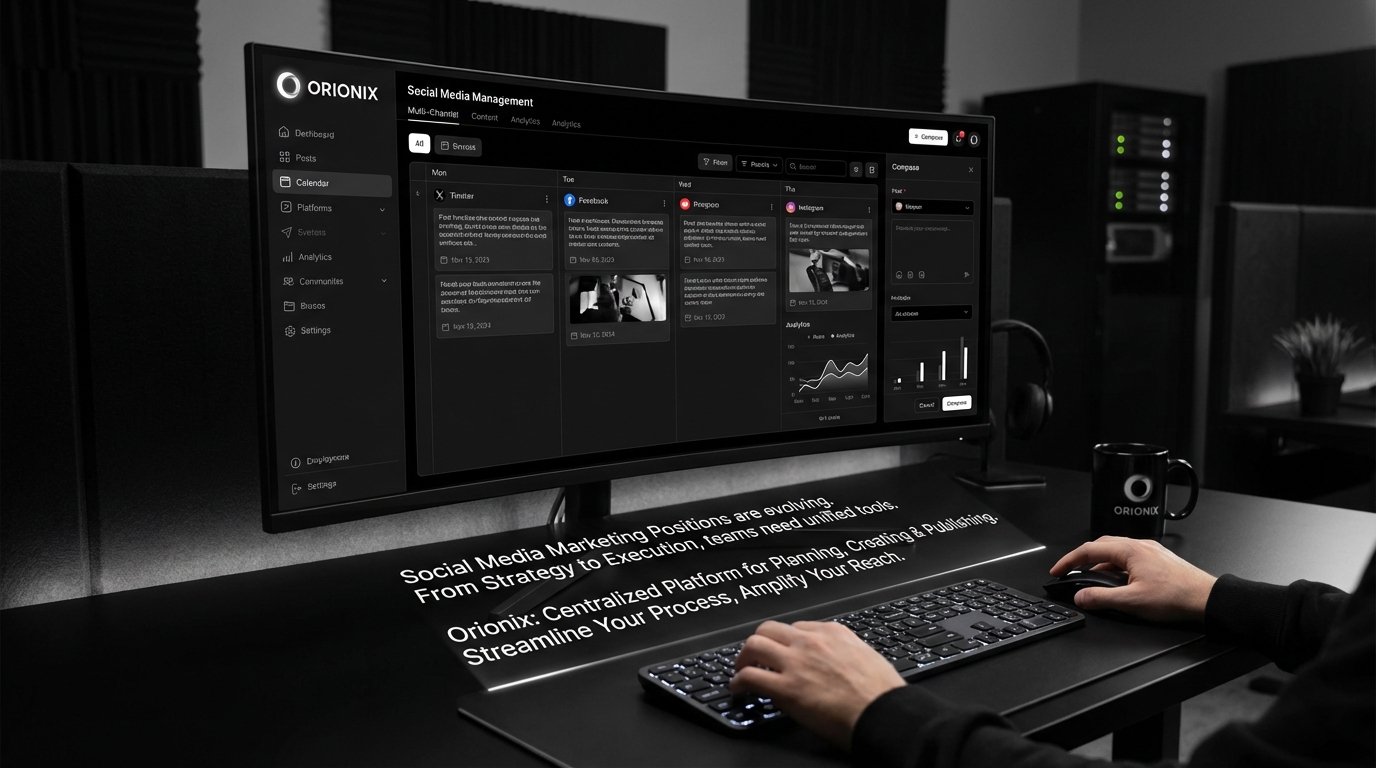
A Social Media Manager oversees content planning, creation, and publishing across multiple social media platforms through centralized dashboards. They develop strategies, schedule posts at optimal times, engage with followers, monitor analytics, and coordinate with marketing teams. They also manage crisis communications, track brand mentions, and adjust campaigns based on performance data to maximize reach and engagement.
How much do social media marketing positions typically pay?
Social media marketing positions vary widely in compensation based on experience and location. Entry-level coordinators earn $35,000-$50,000 annually, while Social Media Managers make $50,000-$75,000. Senior strategists and directors can earn $80,000-$120,000 or more. Freelance social media specialists typically charge $25-$100 per hour depending on expertise, industry specialization, and the complexity of campaigns they manage.
What skills are required for social media marketing positions?
Essential skills include content creation, copywriting, graphic design basics, analytics interpretation, and platform expertise across Instagram, Facebook, LinkedIn, and TikTok. Technical proficiency with social media management tools, understanding of best posting times, SEO knowledge, and paid advertising experience are crucial. Soft skills like creativity, communication, adaptability, and strategic thinking are equally important for successful social media marketing careers.
How do social media marketing positions differ from digital marketing roles?
Social media marketing positions focus specifically on social platforms, community engagement, and social content strategy. Digital marketing encompasses broader areas including email marketing, SEO, PPC advertising, website optimization, and analytics across all digital channels. While social media marketing is a subset of digital marketing, it requires specialized knowledge of platform algorithms, trends, and audience behavior unique to social networks.
What tools do professionals in social media marketing positions use?
Social media professionals use centralized platforms like Orionix for content planning and publishing across multiple channels. Other essential tools include analytics platforms (Google Analytics, native platform insights), design software (Canva, Adobe Creative Suite), scheduling tools, social listening platforms, and hashtag research tools. These tools help optimize posting schedules, track engagement metrics, and streamline workflow for managing multiple social media accounts efficiently.
How can you advance your career in social media marketing positions?
Career advancement involves gaining certifications from platforms like Facebook Blueprint or Google, mastering analytics and paid advertising, and building a strong portfolio. Develop expertise in emerging platforms, stay current with algorithm changes, and demonstrate ROI through measurable results. Progress from coordinator to manager, then strategist or director roles. Specializing in specific industries or platforms can also create advancement opportunities.
What are entry-level social media marketing positions and how to get started?
Entry-level positions include Social Media Coordinator, Content Creator Assistant, and Community Manager Assistant. Start by building your own social media presence, creating a portfolio showcasing content creation skills, and understanding platform best practices. Gain experience through internships, freelance projects, or managing accounts for small businesses. Learn basic graphic design, copywriting, and familiarize yourself with social media management platforms to increase employability.
Understanding Social Media Marketing Positions in 2026

The landscape of social media marketing positions has evolved dramatically, creating unprecedented opportunities for marketing professionals. As businesses recognize the power of digital platforms, social media marketing has become essential for brand success, driving a surge in demand for skilled professionals who can navigate this dynamic field.
According to UC San Diego’s career guide, career opportunities for social media marketing managers are estimated to increase 10% by 2026. This growth reflects how companies across all industries are finding unique ways to reach their audiences via social media platforms like Facebook, Instagram, LinkedIn, YouTube, and Reddit.
The role itself has transformed from simple post scheduling to a comprehensive strategic function. Marketing digital marketing professionals now serve as the voice of brands, managing everything from customer care to market research and direct sales through social channels. 📊
Research from Robert Half shows that 81% of marketing and creative leaders feel confident about their organization’s business outlook for 2026, with 65% planning to expand permanent headcount within their departments in the first half of the year.
What Are Social Media Marketing Positions?

Social media marketing positions encompass a range of roles focused on creating, managing, and optimizing a brand’s presence across digital platforms. HubSpot defines social media marketing as « the process of creating content for social media platforms to promote your products and/or services, build community with your target audience, and drive traffic to your business. »
These positions require professionals who understand both the creative and analytical aspects of marketing digital marketing. From crafting engaging content to analyzing performance metrics, social media marketers must wear multiple hats throughout their day.
Core Responsibilities Across Social Media Marketing Roles
- Maintaining and optimizing social media profiles across multiple platforms
- Creating strategic content including articles, images, videos, stories, and live broadcasts
- Engaging with followers through comments, shares, and direct messages
- Analyzing digital marketing plans and identifying strategic improvements
- Researching trends and platform algorithm changes
- Collaborating with sales, finance, and other departments on campaigns
According to Coursera’s career guide, the median total salary for a social media strategist in the United States is $93,000, reflecting the value organizations place on these specialized skills. 💰
Types of Social Media Marketing Positions

The field offers diverse career paths, each requiring different skill sets and experience levels. Understanding these distinctions helps aspiring professionals chart their career trajectory effectively.
| Position Title | Primary Focus | Experience Level |
|---|---|---|
| Social Media Coordinator | Day-to-day posting and engagement | Entry-level |
| Social Media Specialist | Platform-specific strategy and execution | Mid-level |
| Social Media Strategist | Long-term planning and campaign development | Mid to Senior-level |
| Social Media Manager | Team leadership and overall strategy | Senior-level |
| Content Creator | Visual and written content production | All levels |
| Community Manager | Audience engagement and relationship building | Mid-level |
Social Media Coordinator vs. Specialist vs. Manager
As noted by Sprout Social, « social media manager » is often used as an umbrella term, but professionals typically work as coordinators or specialists before advancing to management roles. Each level requires progressively more strategic thinking and leadership capabilities.
Coordinators handle tactical execution, specialists focus on platform expertise and campaign implementation, while managers oversee strategy, team development, and cross-functional collaboration. Understanding this progression helps professionals set realistic career goals. 🎯
Emerging Specialized Roles
According to BrainStation’s career guide, larger companies typically have highly niche roles within broader digital marketing or social media marketing teams. These specialized positions include:
- Data Analyst: Focuses on metrics, ROI, and performance optimization
- Market Researcher: Studies audience behavior and competitive landscapes
- Brand Consultant: Develops brand voice and positioning strategies
- Digital Marketing Manager: Oversees integrated campaigns across channels
Key Skills Required for Social Media Marketing Positions
Success in social media marketing requires a unique blend of creative, analytical, and interpersonal abilities. The field demands continuous learning as platforms evolve and new features emerge constantly.
Essential Technical Skills
Modern social media professionals must master various tools and platforms to execute campaigns effectively. These technical competencies form the foundation of daily work:
- Proficiency in social media management platforms like Hootsuite
- Understanding of analytics tools and data interpretation
- Content creation software for graphics, video, and editing
- Knowledge of SEO principles and how they apply to social content
- Familiarity with paid advertising platforms and campaign management
- Basic HTML and content management system experience
Strategic and Soft Skills
Beyond technical abilities, Sprout Social research identifies critical transferable skills including communication, adaptability, attention to detail, and problem-solving. These capabilities enable professionals to navigate the dynamic nature of social media effectively.
The ability to think strategically while executing tactically sets successful candidates apart. As one social media specialist noted, professionals must continuously adapt to « new experiments, algorithms, and trends to incorporate into brand strategies. » 🔄
| Skill Category | Specific Abilities |
|---|---|
| Communication | Copywriting, storytelling, brand voice consistency |
| Analytical | Data interpretation, performance tracking, ROI measurement |
| Creative | Visual design, content ideation, campaign conceptualization |
| Strategic | Planning, audience targeting, competitive analysis |
| Technical | Platform expertise, tool proficiency, basic coding |
Developing AI and Automation Expertise
According to Addison Group’s 2026 workforce guide, entry-level and junior roles in copywriting, coding, and graphic design are increasingly impacted as AI automates repetitive tasks. However, human expertise remains essential for managing campaigns, interpreting data, and making strategic decisions.
Professionals who develop strong technical skills and a digital-first mindset will be better positioned for success. Understanding how to leverage AI tools while maintaining the human touch that creates authentic connections is becoming crucial. 🤖
Career Path and Advancement Opportunities
Social media marketing positions offer clear progression paths with opportunities to specialize or expand into broader marketing leadership roles. Understanding these trajectories helps professionals make informed career decisions.
Entry-Level to Management Progression
Most professionals begin as coordinators or content creators, focusing on execution and learning platform mechanics. As they develop expertise, they advance to specialist roles with greater autonomy over strategy and campaign management.
From specialist positions, professionals can move into management roles overseeing teams and broader strategy. Sprout Social notes that stepping into social media management can serve as a launch pad toward marketing leadership positions—including chief marketing officer and social media executive roles.
Specialization vs. Generalization
Career paths diverge based on individual interests and strengths. According to BrainStation, a Social Media Marketing Specialist who relishes dealing with the public might explore roles focusing specifically on community management, while someone with creative flair might focus on content creation.
- Specialist Path: Deep expertise in specific platforms, content types, or industries
- Generalist Path: Broad knowledge across channels, evolving into digital marketing management
- Consultant Path: Independent brand consulting leveraging cross-industry experience
- Leadership Path: Team management, department oversight, C-suite positions
Job Market Outlook and Hiring Trends for 2026
The market for social media marketing professionals remains robust despite economic uncertainties, with strong demand for skilled talent across industries.
Current Market Conditions
Robert Half’s research reveals that 65% of marketing leaders plan to expand permanent headcount within their departments in the first half of 2026, while 61% will step up contract or temporary hiring. This dual approach reflects organizations’ need for both stable teams and flexible expertise.
However, the landscape presents challenges. Nearly 45% of marketing and creative leaders say finding skilled professionals is more challenging than it was a year ago. Organizations prioritize roles supporting digital marketing campaigns, content execution, analytics, and marketing automation. ⚡
Impact of Economic Factors
Despite strong fundamentals, Addison Group reports that hiring for digital marketing positions is roughly 25% below pre-pandemic levels. More than 60% of advertisers expect a 6%-10% decline in budgets in the months ahead due to tariffs and economic uncertainty.
This creates a paradox: while marketing professionals are more likely than employees in other functions to explore new opportunities over the next six months, fewer openings and cautious hiring intensify competition, particularly for high-profile brands and leadership positions.
| Metric | Data Point | Source |
|---|---|---|
| Projected Growth Rate | 10% increase by 2026 | UC San Diego |
| Median Strategist Salary | $93,000 | Coursera |
| Leaders Expanding Teams | 65% | Robert Half |
| Time to Hire Top Talent | 10 days | Addison Group |
| Digital Ad Spending (2026) | $1 trillion | Addison Group |
In-Demand Skills and Roles
Organizations are responding to talent challenges by upskilling existing teams and engaging highly skilled contract talent to support marketing analytics, content marketing strategy, and marketing automation initiatives. The most sought-after professionals combine creative execution with analytical capabilities.
Top marketing professionals are typically off the market within 10 days of receiving an offer, according to Addison Group. This rapid hiring cycle emphasizes the importance of maintaining an updated portfolio and active professional network. 🚀
How to Break Into Social Media Marketing Positions
Entering the field requires strategic preparation, whether you’re transitioning from another career or starting fresh. Success depends on building relevant skills, creating a compelling portfolio, and understanding how to position yourself effectively.
Educational Pathways
Coursera recommends earning a degree in marketing, business, or a related field as a foundation. However, formal education alone isn’t sufficient—practical experience and demonstrated skills matter equally or more to employers.
Consider supplementing traditional education with certifications like the Hootsuite Social Marketing Certification or Meta’s Social Media Marketing Professional Certificate. These credentials demonstrate platform-specific expertise and commitment to professional development.
Building Your Portfolio
Even without professional experience, you can demonstrate capabilities through personal projects and strategic content creation. Start by:
- Managing social accounts for local nonprofits or small businesses
- Creating case studies analyzing successful brand campaigns
- Building your own presence on platforms like Instagram, learning how to gain followers on Instagram for free
- Understanding optimal timing by researching best times to post on Instagram
- Documenting your strategy, execution, and results with metrics
Networking and Job Search Strategies
According to industry professionals interviewed by Sprout Social, authentic connections and community building are central to social media success—and to career advancement. Engage genuinely with industry leaders, participate in Twitter chats, and contribute to marketing communities.
When applying for positions, tailor your social media marketing cover letter to demonstrate understanding of each company’s brand voice and challenges. Show how your skills address their specific needs rather than sending generic applications. ✍️
Day-to-Day Life in Social Media Marketing Positions
Understanding what daily work actually looks like helps set realistic expectations and determine if this career path aligns with your preferences and lifestyle.
Typical Daily Activities
As Sprout Social notes, no day is typical for a social media manager. Work spans across platforms and often involves:
- Reviewing overnight engagement and responding to comments/messages
- Analyzing performance metrics from previous posts and campaigns
- Creating and scheduling content across multiple platforms
- Collaborating with design, product, and sales teams
- Monitoring brand mentions and industry trends
- Adjusting strategy based on real-time performance data
- Researching competitor activities and emerging platform features
Work Environment Considerations
BrainStation’s guide emphasizes that social media marketing careers necessitate spending a huge chunk of time on social media platforms like Facebook, Instagram, LinkedIn, and more. For those naturally inclined to use social media, this is ideal.
However, it can be overwhelming to be fully immersed in the virtual world, and many professionals find themselves monitoring screen time to ensure healthy work-life balance. The constant connectivity and need to stay current with trends can blur boundaries between work and personal time. ⏰
Challenges and Rewards
The role offers unique opportunities for creativity and impact. If one of your social media posts goes viral or you grow a large enough audience to become an influencer in your industry, you have the opportunity to affect trends and reach thousands or millions of people.
Gabby Barnes, Social Media Manager at Casual Fridays agency, shared with Sprout Social: « As both a user and an insider, it’s evident that awareness is grown, traffic is driven and communities are built through social media more than any other tool. » This tangible impact makes the work rewarding. 🎉
Maximizing Success in Social Media Marketing Careers
Long-term success requires continuous learning, strategic positioning, and understanding how to leverage tools effectively while maintaining authentic human connections.
Staying Current with Platform Changes
Social media platforms constantly evolve, introducing new features, algorithms, and best practices. Professionals must dedicate time to learning these changes and experimenting with new approaches.
Understanding platform-specific nuances matters tremendously. For instance, knowing how to add your own audio to Instagram Reels or understanding what happens when you restrict someone on Instagram demonstrates platform mastery that employers value.
Leveraging Management Tools
Efficient professionals use centralized platforms for planning, creating, and publishing content across various channels. Tools that offer social media and content management capabilities through a single dashboard significantly improve productivity and consistency.
Understanding how to use comprehensive platforms for social media management allows you to scale your efforts without sacrificing quality or strategic thinking. This efficiency becomes increasingly important as you advance to roles managing multiple brands or teams.
Building Your Personal Brand
Ironically, many social media professionals neglect their own presence while building brands for others. Maintaining an active, professional social media presence demonstrates your capabilities and keeps you connected to the community.
Document your learning journey, share insights from campaigns (respecting confidentiality), and engage authentically with industry conversations. This visibility positions you for opportunities and establishes thought leadership over time. 💡
Conclusion: Your Path Forward in Social Media Marketing
Social media marketing positions offer exciting opportunities for creative, analytical professionals who thrive in dynamic environments. With projected growth of 10% by 2026 and median salaries reaching $93,000 for strategists, the field provides both stability and advancement potential.
Success requires continuous learning, strategic thinking, and genuine passion for connecting brands with audiences. Whether you’re just starting or looking to advance your career, focus on building diverse skills across creative execution, data analysis, and strategic planning.
The most successful professionals combine technical platform expertise with the human touch that creates authentic connections. They understand that while AI can automate repetitive tasks, strategic decision-making and relationship building remain distinctly human capabilities.
As you develop your career in social media marketing, remember that the field rewards those who stay curious, adapt quickly, and maintain genuine enthusiasm for the evolving digital landscape. The opportunities are substantial for professionals who invest in continuous skill development and strategic positioning.
Ready to streamline your social media workflow and manage all your content from one centralized platform? Visit Orionix to discover how our dashboard can help you plan, create, and publish content more efficiently across all your channels. Transform your social media management process today and focus on what matters most—creating compelling content that drives results. 🚀
Article created using IntentRank