
TL;DR: A social media influencer is a content creator who has built a dedicated following on platforms like Instagram, TikTok, or YouTube and can affect purchasing decisions through their recommendations. They partner with brands to promote products or services, earning income through sponsored content, affiliate marketing, and brand collaborations while maintaining authentic audience engagement.
Frequently Asked Questions

What does a social media influencer do for marketing?
A social media influencer promotes brands, products, or services to their engaged audience across social media platforms. They create authentic content, share recommendations, and leverage their credibility to drive awareness and conversions. Influencers use digital marketing strategies including sponsored posts, product reviews, and storytelling to connect brands with target audiences, making them valuable partners in social media marketing campaigns.
How can social media influencers gain followers on Instagram for free?
Social media influencers can gain followers on Instagram for free by posting consistently at optimal times, using relevant hashtags, creating high-quality engaging content, and interacting with their community. The best times to post on Instagram are typically 6-9 AM and 5-7 PM on weekdays. Authentic engagement, collaborations with other creators, and utilizing Instagram Reels and Stories also help attract organic followers without paid promotions.
What are the best times to post on Instagram for social media influencers?
The best times to post on Instagram for social media influencers are typically Tuesday through Friday between 9-11 AM and 6-8 PM. However, optimal posting times vary by audience demographics and time zones. Influencers should analyze their Instagram Insights to identify when their specific followers are most active. Consistent posting during peak engagement windows maximizes visibility and helps grow their social media presence.
How do social media influencers manage content across multiple platforms?
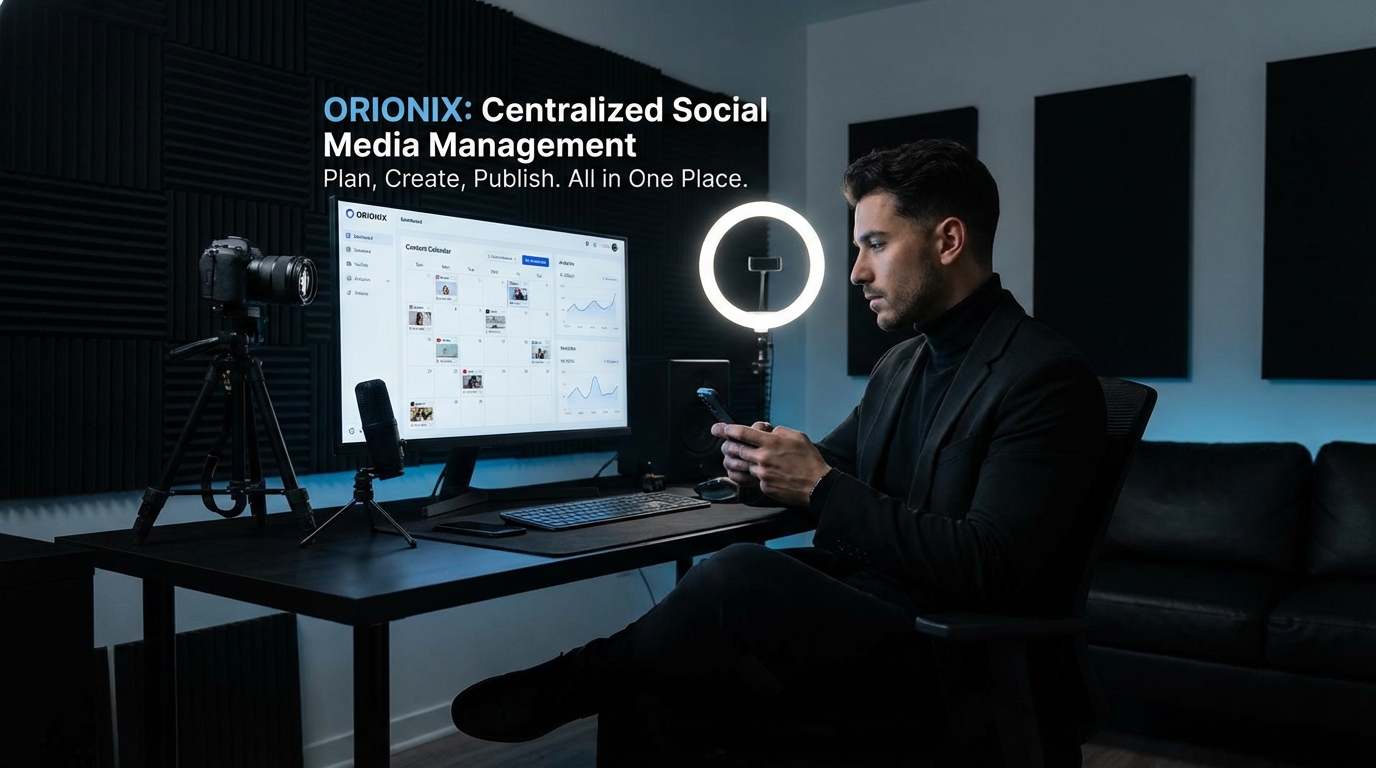
Social media influencers manage content across multiple platforms using centralized content management tools like Orionix. These platforms allow influencers to plan, create, schedule, and publish content to various social media platforms through a single dashboard. This streamlined approach saves time, ensures consistent posting schedules, maintains brand consistency, and helps influencers efficiently manage their digital marketing efforts across Instagram, TikTok, YouTube, and other channels.
What social media platforms do influencers use most for marketing?
Social media influencers primarily use Instagram, TikTok, YouTube, and Facebook for marketing campaigns. Instagram remains the leading platform for influencer marketing due to its visual focus and shopping features. TikTok dominates for short-form video content and younger demographics. YouTube excels for long-form content and tutorials. Many successful influencers maintain presence across multiple social media platforms to maximize reach and diversify their digital marketing strategies.
How can brands find the right social media influencer for their marketing campaign?
Brands can find the right social media influencer by defining their target audience, setting campaign goals, and researching influencers whose followers match their demographics. Evaluate influencers based on engagement rates, content quality, authenticity, and brand alignment rather than just follower count. Use influencer marketing platforms, analyze social media metrics, review past collaborations, and ensure the influencer’s values align with your brand for successful digital marketing partnerships.
What is the difference between social media marketing and influencer marketing?
Social media marketing encompasses all promotional activities brands conduct on social media platforms, including organic posts, paid ads, and community management. Influencer marketing is a subset where brands partner with social media influencers who promote products to their established audiences. While social media marketing is brand-controlled, influencer marketing leverages third-party credibility and authentic voices to reach engaged communities through trusted recommendations and digital marketing strategies.
How do social media influencers measure their marketing success?
Social media influencers measure marketing success through key performance indicators including engagement rate, reach, impressions, follower growth, click-through rates, and conversion metrics. They analyze platform-specific analytics like Instagram Insights to track post performance, audience demographics, and optimal posting times. Successful influencers also monitor brand partnership ROI, content saves and shares, and use digital marketing tools to demonstrate value to sponsors and refine their social media strategies.
Understanding the Social Media Influencer Phenomenon in Modern Marketing

The rise of the social media influencer has fundamentally transformed how brands connect with consumers across digital platforms. These content creators have become powerful intermediaries between businesses and audiences, wielding unprecedented influence over purchasing decisions and brand perceptions. As marketing digital marketing strategies evolve, understanding the mechanics and impact of influencer-created content has become essential for businesses seeking authentic engagement.
According to research published in the Journal of Product & Brand Management, there exists a significant gap in understanding how social media influencers stimulate pre-purchase behavior among followers. This comprehensive guide explores the commercial dimensions of influencer marketing and its measurable effects on consumer behavior.
The Commercial Orientation of Social Media Influencer Content

How Influencer Marketing Drives Consumer Behavior 📊
The stimulus-organism-response framework provides crucial insights into how influencer-created content affects followers’ willingness to search for pre-purchase information. Research demonstrates that the commercial orientation of sponsored content significantly impacts consumer engagement patterns.
Studies examining sponsored influencer marketing reveal that followers respond differently based on content authenticity and transparency. The research has generated 37 citations, indicating substantial academic interest in understanding these commercial dynamics.
Types of Congruence in Influencer Marketing
Self-congruency theory research shows that different types of congruence in social media influencer marketing impact consumers’ online impulse buying intentions. Wishful identification serves as a moderating factor in this relationship, according to findings published in the Journal of Product & Brand Management.
| Factor | Impact on Consumer Behavior | Marketing Implication |
|---|---|---|
| Content Authenticity | Increases trust and engagement | Prioritize genuine product reviews |
| Commercial Transparency | Affects pre-purchase information search | Clear disclosure of sponsored content |
| Self-Congruency | Drives impulse buying intentions | Match influencer values with target audience |
| Active Participation | Builds follower loyalty | Consistent engagement in niche areas |
What Internet Users Prefer in Social Media Influencers

The Importance of Genuine Engagement 💬
Internet users consistently prefer influencers who actively participate in their respective areas of interest, providing thorough information and genuine product reviews. This finding comes from research published in Sustainability examining consumer insights and creators’ perspectives.
The most successful influencers understand that their audience values authenticity over promotional content. They balance sponsored posts with organic content that genuinely serves their followers’ interests.
Critical Success Factors for Influencer Credibility
- Active participation in specific interest areas demonstrates expertise and commitment
- Thorough information provision helps followers make informed decisions
- Genuine product reviews build trust and long-term follower relationships
- Transparent disclosure of sponsored content maintains authenticity
- Consistent engagement with followers through comments and messages
When developing your social media marketing strategy, understanding these preferences becomes crucial for selecting the right influencer partnerships and creating content that resonates.
Industry Applications: Fashion and Beyond
Social Media Influencer Marketing Impact on Purchase Intentions 🛍️
Research examining social media influencer marketing has grown significantly in recent decades, particularly in the fashion industry. A systematic literature review published in Frontiers in Communication highlights that this field is crucial for marketers, management, and influencers alike.
The fashion industry serves as a prime example of how social media platforms amplify influencer impact. Customer purchase intentions are significantly affected by influencer marketing strategies, with measurable effects on both brand awareness and sales conversion.
Cross-Industry Applications
While fashion leads in influencer marketing adoption, other sectors are rapidly recognizing its value:
- Beauty and cosmetics – Product demonstrations and tutorials drive engagement
- Technology and gadgets – Unboxing videos and reviews influence purchase decisions
- Food and beverage – Recipe content and restaurant reviews shape consumer choices
- Travel and hospitality – Destination showcases inspire booking behaviors
- Fitness and wellness – Transformation stories motivate product adoption
For businesses implementing social media marketing for small business, understanding industry-specific influencer dynamics helps optimize campaign performance.
Strategic Implementation of Influencer Marketing
Optimizing Social Media Platforms for Influencer Campaigns 📱
Different social media platforms require distinct approaches to influencer marketing. Instagram remains dominant for visual content, while other platforms serve specific audience segments and content types.
Understanding the best time to post on Instagram becomes critical when coordinating influencer campaigns. Timing affects reach, engagement, and ultimately conversion rates.
| Platform | Content Type | Optimal Strategy |
|---|---|---|
| Visual stories, Reels | Leverage best times to post on instagram for maximum visibility | |
| YouTube | Long-form video reviews | In-depth product demonstrations and tutorials |
| TikTok | Short-form viral content | Trend-based challenges and authentic moments |
| Community engagement | Group discussions and live streaming |
Building Your Influencer Network
While some businesses seek shortcuts through services promising to gain followers on instagram for free, sustainable influencer partnerships require authentic relationship building. Focus on quality over quantity when selecting influencer collaborators.
Effective Instagram for business strategies combine organic growth with strategic influencer partnerships. This approach builds credibility while expanding reach across target demographics.
Measuring Influencer Marketing Effectiveness
Key Performance Indicators for Influencer Campaigns 📈
The cross-sectional research design employed in academic studies examining influencer marketing provides frameworks for measuring campaign effectiveness. Businesses must establish clear metrics before launching influencer partnerships.
Essential Metrics to Track
- Engagement rate – Comments, likes, and shares relative to follower count
- Reach and impressions – Total audience exposure to influencer content
- Click-through rates – Traffic driven to landing pages or product pages
- Conversion rates – Actual purchases attributed to influencer campaigns
- Brand sentiment – Changes in audience perception and brand affinity
- Return on investment – Revenue generated versus campaign costs
Utilizing comprehensive online marketing tools helps track these metrics across multiple campaigns and platforms simultaneously. Integration with analytics platforms provides deeper insights into influencer impact.
Attribution Challenges and Solutions
Research indicates that measuring the direct impact of influencer content on purchase decisions remains complex. The pre-purchase information search behavior triggered by influencer content may not immediately convert to sales.
Implementing unique tracking codes, dedicated landing pages, and affiliate links helps attribute conversions more accurately to specific influencer partnerships. This data-driven approach enables optimization of future campaigns.
The Future of Social Media Influencer Marketing
Emerging Trends and Considerations 🚀
As social media and marketing digital marketing continue evolving, influencer marketing adapts to new technologies and consumer expectations. Authenticity remains paramount as audiences become more sophisticated in recognizing sponsored content.
The integration of artificial intelligence and data analytics enables more precise influencer selection and campaign optimization. Brands can now identify micro-influencers with highly engaged niche audiences that align perfectly with target demographics.
Regulatory Landscape and Transparency
Increased regulatory scrutiny requires clearer disclosure of commercial relationships between brands and influencers. Transparency builds trust while ensuring compliance with advertising standards across different jurisdictions.
Platforms continue implementing features that make sponsored content identification easier for users. This transparency paradoxically strengthens influencer marketing by building consumer confidence in disclosed partnerships.
Content Management Challenges
Managing influencer relationships and content across multiple social media platforms presents significant operational challenges. Coordinating posting schedules, tracking deliverables, and maintaining brand consistency requires sophisticated systems.
Businesses benefit from social media agency services that streamline influencer campaign management. Centralized platforms enable efficient coordination of multiple influencer partnerships simultaneously.
Practical Implementation Strategies
Building Effective Influencer Partnerships 🤝
Successful influencer marketing begins with strategic partner selection. Rather than focusing solely on follower counts, evaluate engagement rates, audience demographics, and content quality.
- Define campaign objectives – Establish clear goals for awareness, engagement, or conversion
- Identify relevant influencers – Research creators whose audiences match your target market
- Evaluate authenticity – Assess genuine engagement versus inflated metrics
- Negotiate partnerships – Structure agreements that align incentives with outcomes
- Provide creative freedom – Allow influencers to maintain authentic voice while meeting brand guidelines
- Monitor and optimize – Track performance and adjust strategies based on results
Content Creation and Brand Alignment
The most effective influencer content maintains the creator’s authentic voice while integrating brand messaging naturally. Overly scripted content reduces engagement and damages both influencer and brand credibility.
Developing comprehensive social media page guidelines helps influencers understand brand values without constraining creativity. This balance produces content that resonates with audiences while achieving marketing objectives.
Managing Multiple Platform Presence
Coordinating influencer campaigns across various social media sites requires systematic planning and execution. Each platform demands tailored content formats and engagement strategies.
Understanding how to optimize your best time to post on Facebook versus Instagram ensures maximum visibility for influencer content. Platform-specific timing strategies significantly impact campaign reach and engagement.
Overcoming Common Challenges
Addressing Influencer Marketing Obstacles ⚠️
Despite its effectiveness, influencer marketing presents several challenges that businesses must navigate strategically. Understanding these obstacles enables proactive solutions.
| Challenge | Impact | Solution |
|---|---|---|
| Fake followers and engagement | Wasted budget, poor ROI | Use analytics tools to verify authentic engagement metrics |
| Brand safety concerns | Reputation damage | Thorough vetting and ongoing monitoring of influencer content |
| Measuring attribution | Unclear campaign effectiveness | Implement tracking codes and dedicated landing pages |
| Content consistency | Diluted brand messaging | Provide clear guidelines while allowing creative freedom |
| Platform algorithm changes | Reduced organic reach | Diversify across multiple platforms and content types |
Budget Optimization Strategies
Effective influencer marketing doesn’t require massive budgets. Micro-influencers with 10,000-50,000 followers often deliver higher engagement rates and better ROI than celebrity influencers.
Strategic allocation of resources across multiple smaller influencers creates broader reach while maintaining authenticity. This approach also reduces risk by avoiding dependence on single high-cost partnerships.
Integration with Broader Marketing Strategy
Aligning Influencer Campaigns with Overall Marketing Goals 🎯
Influencer marketing achieves maximum impact when integrated with comprehensive marketing digital marketing strategies. Isolated campaigns miss opportunities for synergy across channels.
Coordinate influencer content with email campaigns, paid advertising, and organic social media efforts. This integrated approach reinforces messaging and maximizes touchpoints with target audiences.
Content Repurposing and Amplification
Influencer-created content provides valuable assets beyond initial posts. Repurpose high-performing content across owned channels, paid advertising campaigns, and website landing pages.
Leveraging social media ads to amplify successful influencer content extends reach beyond organic audiences. This strategy combines authentic creator content with targeted distribution.
Long-Term Relationship Building
One-off influencer collaborations miss opportunities for sustained impact. Developing long-term partnerships creates brand ambassadors who genuinely advocate for products over time.
Ongoing relationships enable influencers to develop deeper product knowledge and more authentic recommendations. Audiences recognize and value these sustained partnerships over transactional sponsorships.
Streamline Your Influencer Marketing with Centralized Management
Simplifying Campaign Coordination 💼
Managing multiple influencer partnerships across various platforms creates significant operational complexity. Businesses struggle with content approval workflows, posting schedules, and performance tracking.
Centralized content management platforms address these challenges by providing unified dashboards for planning, creating, and publishing content across channels. This streamlined approach reduces administrative burden while improving campaign coordination.
The research examining commercial orientation of influencer-created content emphasizes the importance of systematic approaches to content management. Businesses that implement structured processes achieve more consistent results and better ROI.
Ready to transform your influencer marketing strategy with streamlined content management? Visit our website to discover how Orionix’s centralized platform simplifies planning, creating, and publishing content across all your marketing channels. Take control of your influencer campaigns and maximize your marketing impact through a single, powerful dashboard designed for modern digital marketing success.
Article created using IntentRank